

Outdoor Hot Tubs Vs Outdoor Saunas Which Should
Choosing between an outdoor hot tub and an outdoor sauna is more than a simple purchase; it is a decision about how you will inhabit your own backyard through the changing seasons. As we look toward 2026, the technology in both sectors has matured, offering everything from budget-friendly inflatable spas to premium, heavy-timber barrel saunas. Whether you are seeking the social buoyancy of a hydrotherapy-filled tub or the intense, meditative heat of a traditional Finnish ritual, the right choice depends on your tolerance for maintenance, your available space, and your specific wellness goals.
Models in this comparison
Affiliate disclosure: if you buy through these links, we may earn a commission at no extra cost to you.

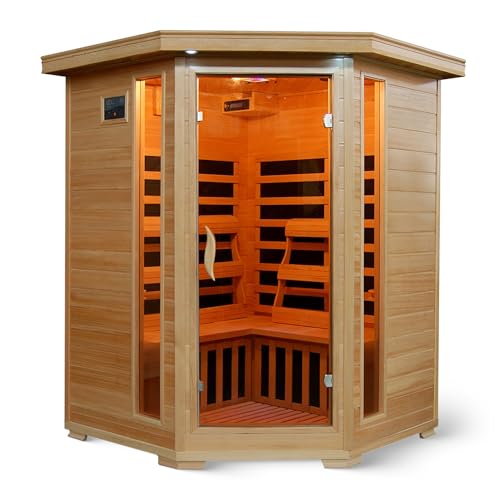

This comparison is designed for the homeowner looking to transform their outdoor living space into a year-round sanctuary. We will examine the fundamental differences in heat-up times, wood quality, and thermal environments. We will also weigh the practicalities of lifestyle: the low-maintenance, health-focused nature of the sauna versus the social, ease-of-entry appeal of the hot tub. By understanding the technical realities of wood-fired versus electric heat, and the durability of cedar versus hemlock, you can make an investment that lasts for decades.
Table of Contents
- Quick Verdict
- About Outdoor Hot Tubs
- About Outdoor Saunas
- Head-to-Head: Heat, Atmosphere, and Temperature
- Head-to-Head: Maintenance and Longevity
- Head-to-Head: Lifestyle and Space Requirements
- Who Should Choose Outdoor Hot Tubs?
- Who Should Choose Outdoor Saunas?
- Our Verdict
- Frequently Asked Questions
- Sources & References
Quick Verdict
Choose Outdoor Hot Tubs if...
- You prioritize social interaction and ease of entry for groups.
- You prefer hydrotherapy-focused relaxation with massage jets.
- You want a buoyancy-based experience to relieve joint pressure.
- Your lifestyle favors low-intensity, consistent water-based heat.
Choose Outdoor Saunas if...
- You desire a high-heat, health-focused ritual (150–195°F).
- You prefer low-maintenance, chemical-free wellness solutions.
- You want a compact footprint that fits easily on decks or gravel pads.
- You value the sensory experience of wood-fired heat and steam.
| Factor | Outdoor Hot Tubs | Outdoor Saunas |
|---|---|---|
| Investment Range | A decent hot tub starts at $1,800 on the low end; premium 8-person models can exceed $18,000. | A quality sauna kit starts at $2,800 or more; premium units can reach $27,000. |
| Primary Use Case | Social interaction, buoyancy-based hydrotherapy, and ease of entry. | Health-focused heat, low maintenance, and intense thermal recovery. |
| Maintenance Needs | Higher: Requires chemical management, water filtration, and regular cleaning. | Lower: Minimal upkeep once installed, especially with wood-burning options. |
| Thermal Experience | Water-based heat (100–104°F) with muscle-massaging hydrotherapy jets. | Air-based heat (150–195°F) inducing sweating through dry or steam heat. |
| Space & Footprint | Varies from portable/inflatable to large in-ground installations ($15,000–$35,000). | Compact options available; a 7x9 foot footprint is an ideal entry point for smaller yards. |
| Key Advantage | The combination of buoyancy and jet pressure for joint and muscle relief. | The ability to reach high temperatures quickly (e.g., 180°F in 45 minutes with wood heat). |
About Outdoor Hot Tubs
An outdoor hot tub is a vessel of immersion, typically containing between 300 and 500 gallons of heated water. These units maintain temperatures generally between 100–104°F, providing a buoyant environment that takes 75–90% of your body weight off your joints. The defining feature of a traditional hot tub is hydrotherapy—the use of directional water and air nozzles to massage muscles and joints. While inflatable models offer a budget-friendly entry point using air bubbles rather than traditional jets, they differ significantly in therapeutic depth compared to acrylic models.
When considering your investment, the scope of the product matters. According to hottubsprice.com, portable acrylic hot tubs range from $3,000 for 2-person models to $18,000+ for premium 8-person configurations. For those seeking permanent, custom-built solutions, in-ground spas typically cost between $15,000 and $35,000. Because hot tubs rely on water chemistry and filtration, they require more ongoing maintenance than a sauna. They excel in social settings, offering an easy entry point for groups to gather and relax through buoyancy and warmth.
About Outdoor Saunas
Outdoor saunas offer a different kind of heat—a dry or steam-based thermal experience that induces sweating through much higher temperatures. Traditional Finnish-style saunas operate between 150–195°F with low relative humidity (10–20%), while infrared variants offer a gentler, lower-temperature option (120–150°F) with deeper tissue penetration. For those seeking the traditional ritual, wood-fired heating is a popular choice; according to Porch & Fire, a wood-burning stove can heat a barrel sauna to 180 degrees in approximately 45 minutes, providing a sensory experience that electric heat often cannot match.
The longevity of an outdoor sauna depends heavily on material choice and design. The barrel shape is particularly effective for cold climates, as it naturally sheds rain and snow. When selecting wood, white cedar is a premium choice because it is naturally rot-resistant and handles moisture better than hemlock. In terms of investment, Porch & Fire notes that a decent hot tub starts at $1,800 on the low end, while a quality sauna kit starts at $2,800 or more. Saunas are often favored by those seeking low-maintenance, health-focused heat and a private, meditative ritual in their own backyard.
Head-to-Head: Heat, Atmosphere, and Temperature
The most striking difference between these two wellness investments is the thermal environment. A traditional Finnish sauna is designed for intense, dry heat, typically operating between 150–195°F with low relative humidity (10–20%). This environment induces sweating through high ambient temperatures. In contrast, a hot tub maintains much lower water temperatures, typically between 100–104°F, using buoyancy and hydrotherapy jets to provide a different kind of physical relief. While a sauna focuses on cardiovascular demand through heat, a hot tub excels at relieving joint pressure and muscle tension through water immersion.
When considering heat-up-time and the sensory experience, the choice often comes down to the heat source. For those choosing a barrel sauna, wood-burning stoves can heat the space to 180 degrees in approximately 45 minutes, offering a rapid climb and a unique sensory ritual. Electric heating is a convenient alternative, but wood heat provides a distinct atmosphere for year-round outdoor use. Hot tubs, particularly portable acrylic models, rely on built-in heaters to maintain water temperature, offering a more consistent, constant warmth that is easier to manage for social, long-duration soaking.
Head-to-Head: Maintenance and Longevity
Maintenance requirements represent a significant divergence in ownership. A sauna is often considered a low-maintenance option; once the structure is built and the wood is cared for, the primary ongoing cost is often just firewood. There are no complex chemical balances or filter cartridges to manage daily. For those looking at wood-based construction, the choice of timber is vital for durability. White cedar is naturally rot-resistant and handles moisture better than hemlock, making it a superior choice for long-term weather resistance in damp environments.
Hot tubs require a much more active maintenance schedule due to the nature of water chemistry. Maintaining 300–500 gallons of water requires regular chemical balancing, filtration, and cleaning to remain sanitary. While inflatable hot tubs offer a budget-friendly entry point using air bubbles rather than traditional hydrotherapy jets, they differ significantly in longevity from permanent installations. For those seeking a permanent solution, in-ground spas represent a significant investment, typically costing between $15,000 and $35,000, but they offer a level of permanence and customization that portable units cannot match.
Head-to-Head: Lifestyle and Space Requirements
The decision between a sauna and a hot tub often hinges on how you intend to use your backyard. A sauna is a focused, health-centric ritual. For smaller backyards, a barrel sauna with a 7x9 foot footprint is an ideal entry point, as it can fit on existing decks or gravel pads without consuming much space. Because the barrel shape naturally sheds rain and snow, it is a highly efficient use of footprint for those seeking a private, meditative space for recovery.
Hot tubs, conversely, are often the social hub of the backyard. They excel in social use and ease of entry, making them ideal for families or groups. While a 2-person portable acrylic hot tub might cost around $3,000, larger premium 8-person configurations can exceed $18,000. Because hot tubs require more space for plumbing, electrical access, and water management, they are generally more disruptive to a landscape than a compact sauna. Ultimately, the choice depends on whether you prioritize the low-maintenance, high-heat ritual of the sauna or the social, buoyant immersion of the hot tub.
Who Should Choose Outdoor Hot Tubs?
Choosing an outdoor hot tub is often a decision driven by social connection and physical ease of entry. If your primary goal is to host friends or family, the hot tub is the clear winner. Because they typically seat between four and eight people, they serve as a communal hub for gathering. The presence of hydrotherapy jets—which provide directional water and air massage—makes them particularly effective for those seeking relief from arthritis, back pain, or post-exercise recovery through buoyancy and pressure.
The decision also hinges on your lifestyle preferences regarding maintenance and space. If you prefer a "plug-and-play" experience, inflatable hot tubs offer a budget-friendly entry point using air bubbles for massage. For those seeking a more permanent installation, portable acrylic models or in-ground spas provide higher-end luxury but require more significant space and investment. If you want a space where you can sit comfortably while being immersed in warm water to take the weight off your joints, the hot tub is your ideal choice.
Who Should Choose Outdoor Saunas?
An outdoor sauna is the better choice for those seeking a focused, health-centric ritual with minimal ongoing upkeep. If you value a private, meditative space, the sauna offers a different kind of therapeutic experience through dry or steam heat. Because traditional Finnish saunas operate at much higher temperatures (150–195°F) than hot tubs, they are ideal for those who prefer intense heat to induce sweating and cardiovascular engagement.
The choice of a sauna also depends on your backyard footprint and maintenance tolerance. For smaller yards, a barrel sauna with a 7x9 foot footprint is an ideal entry point, as it can fit on existing decks or gravel pads. If you prefer low-maintenance living, saunas are often the superior choice; once installed, there are no chemical treatments or filter cartridges to manage. For those who enjoy the sensory experience of a crackling fire, wood-fired heating offers a faster heat-up time—reaching 180 degrees in approximately 45 minutes—and a unique atmosphere that electric units cannot replicate. If you want a durable, long-term investment that focuses on personal wellness and easy-to-manage maintenance, choose the sauna.
Our Verdict
Choosing between an outdoor hot tub and an outdoor sauna is not a matter of which is "better," but rather which ritual fits your lifestyle and your backyard's footprint. Because these two products serve different sensory and social needs, the right choice depends on whether you value social immersion or solitary health-focused heat.
Choose an Outdoor Hot Tub if: You prioritize social interaction and ease of entry. Hot tubs are the masters of hydrotherapy, using 300–500 gallons of water and built-in jets to provide buoyancy and muscle relief. They are ideal for families or groups who want a communal space to gather. If you are looking for a budget-friendly entry point, inflatable models offer a portable option, while acrylic models provide more robust therapeutic features. However, keep in mind that hot tubs require more ongoing maintenance regarding water chemistry and filtration compared to a traditional sauna.
Choose an Outdoor Sauna if: You seek a low-maintenance, health-focused sanctuary. Saunas offer a much higher temperature range (150–195°F) and focus on heat-induced sweating rather than water immersion. They are the superior choice for smaller spaces; for example, a barrel sauna with a 7x9 foot footprint can fit easily on existing decks or gravel pads. If you want a ritual that is easy to maintain, a wood-fired barrel sauna is an excellent investment. With a quality wood-burning stove, you can reach temperatures of 180 degrees in approximately 45 minutes, and the barrel shape naturally sheds rain and snow, making it a durable choice for cold climates. Because there are no chemicals or complex filtration systems, the ongoing cost is often limited to firewood.
The Bottom Line: If your goal is to host friends and relax in buoyant warmth, buy a hot tub. If your goal is a private, low-maintenance wellness ritual that can withstand the elements with minimal upkeep, buy a sauna.
Frequently Asked Questions
What is the main difference in heat between a sauna and a hot tub?
The primary difference lies in the medium and the temperature. A traditional Finnish sauna uses dry heat, typically operating between 150–195°F with low humidity (10–20%), to induce sweating. A hot tub uses water-based heat, maintaining temperatures between 100–104°F, focusing on buoyancy and hydrotherapy through jets.
Is wood-fired heat better than electric for outdoor use?
The choice depends on your lifestyle and climate. According to Porch & Fire, a wood-burning stove can heat a barrel sauna to 180 degrees in approximately 45 minutes, offering a faster climb and a different sensory experience. Electric heat is often easier for plug-and-play installation, but wood heat is a traditional choice for those seeking a specific ritual for year-round outdoor use.
Should I choose cedar or hemlock for my outdoor unit?
When considering long-term weather durability, white cedar is naturally rot-resistant and handles moisture better than hemlock construction. While Canadian hemlock is a durable option for freeze-thaw cycles, white cedar offers superior resistance to the elements and a distinct scent when heated.
How much space do I need for a barrel sauna?
For smaller backyards, a barrel sauna with a 7x9 foot footprint is an ideal entry point, as it can fit on existing decks or gravel pads. If you require more room for social use, larger models may require a 10x10 pad or larger to accommodate the footprint.
Which is easier to maintain: a sauna or a hot tub?
Saunas generally offer lower maintenance requirements. While a hot tub requires managing 300–500 gallons of water and chemical balances, a quality sauna provides a low-upkeep environment focused on health-based heat. The decision should be based on whether you prioritize social, water-based relaxation or low-maintenance, heat-focused wellness.


