Outdoor Hot Tubs vs Sauna Benches: Which Should You Buy in 2026
Outdoor hot tubs and sauna benches serve very different purposes, even though both belong in a year-round outdoor relaxation space. A hot tub is a complete water-therapy system: an insulated shell, heated water, seating, and directional jets. A sauna bench is one part of a sauna room, shaping how comfortably you sit, recline, and use the heat.
This comparison is for homeowners planning an outdoor wellness area in a cold climate, especially those deciding between a ready-made product and a larger sauna project. The important questions are not only price and headline capacity. Heat-up time, insulation, wood quality, foundation requirements, heater choice, and long-term weather durability will determine whether the purchase remains enjoyable after the first winter.
Affiliate disclosure: if you buy through these links, we may earn a commission at no extra cost to you.
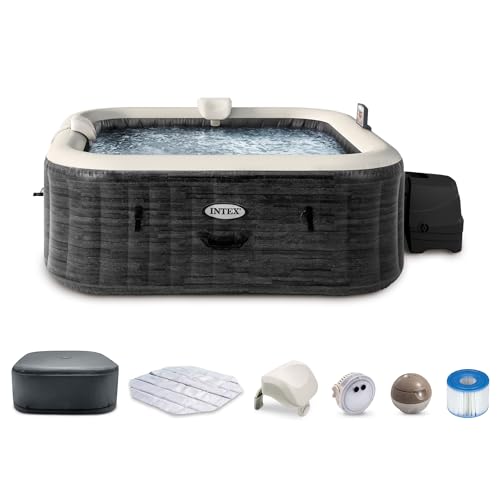
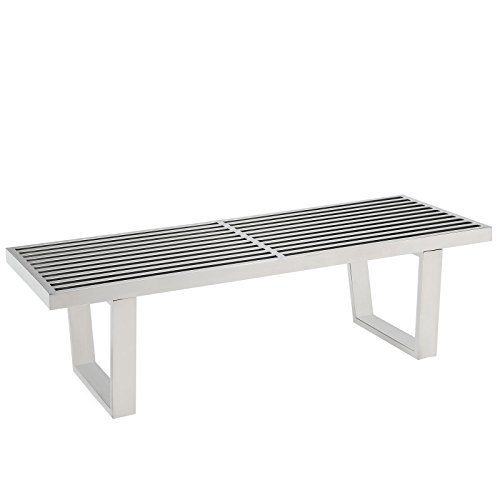

Table of Contents
- Our Top Picks
- Quick Verdict
- About Outdoor Hot Tubs
- About Sauna Benches
- Head-to-Head: Price and Total Value
- Head-to-Head: Setup in a Cold Climate — DIY vs Pre-Built
- Head-to-Head: Heat-Up Time and Heat Source — Electric vs Wood-Fired
- Head-to-Head: Materials, Insulation, and Weather Durability — Cedar vs Hemlock
- Who Should Choose Outdoor Hot Tubs?
- Who Should Choose Sauna Benches?
- Our Verdict
- Frequently Asked Questions
- Research Basis
- Sources & References
- Relevant Products for This Topic
Our Top Picks
Affiliate disclosure: if you buy through these links, we may earn a commission at no extra cost to you.
Quick Verdict
Choose Outdoor Hot Tubs if...
- You want a complete, standalone relaxation system with immersion, buoyancy, and water or air jets.
- You prefer a manufactured product rather than designing an entire sauna room and bench layout.
- Your priority is warm-water comfort for post-exercise recovery, arthritis-related discomfort, or back tension, as described in the supplied research context.[1]
Choose Sauna Benches if...
- You already own a sauna or are committed to building one.
- You want to control usable bench length, depth, foot space, and seating height rather than follow a headline capacity label.
- You are comfortable verifying heat suitability, wood quality, support, and weather durability before installation.
| Factor | Outdoor Hot Tubs | Sauna Benches |
|---|---|---|
| Price Context | Supplied ranges run from about $400–$1,200 for inflatable models, about $3,000 for basic portable acrylic units up to $18,000 or more for premium configurations, and about $15,000–$35,000 for in-ground spas.[1] | No reliable standalone bench range was supplied. Complete home sauna prices are listed from about $2,000 to $15,000 or more, but that is not a bench price.[1] |
| Best For | Warm-water immersion, buoyancy, directional jet pressure, and social outdoor use. Most models seat approximately four to eight people.[1] | Creating usable seating or lounging space inside an existing or planned sauna. A bench alone is not a heater or complete sauna. |
| Setup Difficulty | A manufactured tub simplifies fabrication, but the site still needs suitable support, utilities, drainage, and a cold-weather operating plan. | Installing the bench can be straightforward; building the surrounding outdoor sauna may require a stable base, weatherproof enclosure, utilities or chimney, and local approvals.[3] |
| Reliability in Cold Climates | Depends heavily on insulation, weather protection, electrical service, drainage, maintenance, and the manufacturer's winter guidance. The supplied product titles do not provide enough information to rank cold-weather performance. | Depends on heat- and moisture-suitable materials, sound supports, correct dimensions, and the durability of the complete sauna roof and wall assembly. |
| Key Advantage | It delivers a complete therapy experience as purchased: heated water, body support, buoyancy, and jets. | It lets you optimize the sauna's actual usable space instead of relying on an unstandardized capacity label. |
| Main Drawback | It brings a large volume of water, ongoing energy use, weather exposure, and maintenance responsibilities. | It cannot deliver sauna therapy by itself, and some products marketed as shower benches may not be suitable for sauna temperatures. |
About Outdoor Hot Tubs
An outdoor hot tub is the more complete purchase. The supplied research describes a typical hot tub as an insulated shell holding approximately 300–500 gallons of water, maintained at roughly 100–104°F, with directional water and air jets. Most models seat four to eight people.[1] That combination creates a different type of relaxation from sauna heat: the body is supported by warm water rather than exposed to heated air.
Buoyancy is one of the main reasons to choose a hot tub. The supplied statistics describe buoyancy as taking approximately 75–90% of body weight off the joints, and the research presents immersion and targeted jet pressure as especially suitable for arthritis, back pain, and post-exercise recovery.[1] Those are useful buying distinctions, although anyone choosing a hot tub for a medical condition should still follow appropriate professional advice.
For year-round outdoor use, do not judge a hot tub by its seating count alone. Ask for the actual insulation specification, electrical requirements, drainage instructions, maintenance schedule, cold-weather guidance, and tested heat-up expectations. The three supplied Amazon examples are the Coleman SaluSpa AirJet 7 Person Inflatable Hot Tub, the INTEX PureSpa 6 Person Inflatable Hot Tub with Ene, and the INTEX PureSpa 4 Person Inflatable Hot Tub with Ene. Their titles identify them as inflatable products, but the titles do not establish insulation quality, winter performance, or time to reach operating temperature.
About Sauna Benches
A sauna bench is the part of the room that determines how the heat is experienced. A well-planned bench gives you enough length to sit or recline, enough depth to support the body, and enough foot space to keep the room comfortable. SweatDecks advises comparing usable bench length and depth, backrest angle, heater and guard intrusion, door swing, and foot space because outdoor-sauna capacity labels are not standardized.[3]
Design matters particularly in barrel saunas. The curved walls can make a compact barrel fit well on a small site, but they also influence standing room, bench depth, and the amount of usable space near the sides. Cabin and cube designs offer more conventional geometry, but they require a complete roof and weatherproof wall assembly rather than relying on a curved shell alone.[3]
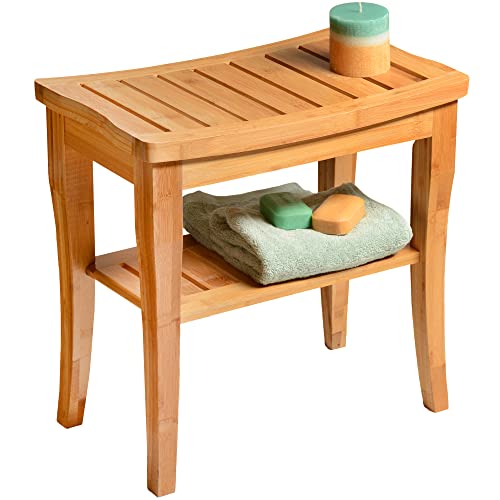
The supplied sauna-bench shortlist mixes a named sauna product, the Modway Sauna Stainless Steel 4' Bench in Silver, with the Bamboo Shower Bench - Wooden Shower Stool with Sto and the Unibambou Bamboo Shower Bench Inside Shower Stool. That mix is a warning to verify intended use rather than assuming every shower bench is sauna furniture. Confirm the manufacturer's heat and moisture guidance, dimensions, support method, fasteners, finish, and load information before placing any of these products in a hot room.
Head-to-Head: Price and Total Value
Hot-tub pricing is easier to frame because the product category includes complete systems. The supplied research places inflatable models at about $400–$1,200, portable acrylic models from roughly $3,000 for basic two-person units to more than $18,000 for premium eight-person swim-spa configurations, and in-ground spas at approximately $15,000–$35,000.[1] These are broad categories, not guarantees for a particular Amazon listing.
A sauna bench is not a fair price comparison against a complete hot tub. It is a component whose value depends on the sauna enclosure, heater, foundation, insulation, ventilation, and weather assembly around it. LIT Method's 2026 comparison assessed five sauna brands across eight benchmarks and listed complete-sauna prices from $799 for the InfraPod to $11,990 for the Plunge Sauna; those figures should not be mistaken for standalone bench prices.[2] If the sauna does not already exist, budget for the entire building system rather than treating the bench as the main purchase.
Head-to-Head: Setup in a Cold Climate — DIY vs Pre-Built
With a hot tub, the main DIY question is usually site preparation rather than fabricating the tub itself. A manufactured unit reduces design work, but a cold-climate installation still requires careful planning for support, drainage, electrical service, access, and maintenance. A water-filled system also places a substantial operating load on the site, so the model's installation drawing and manufacturer instructions should control the final base design.
Sauna benches offer more room for a DIY approach. If you are building the sauna yourself, you can shape the bench around the actual heater guard, door swing, wall curve, and preferred sitting height. The larger project remains more demanding: an outdoor sauna needs a level, stable, draining base sized for its support points and installed load, with the right slab, paver, platform, or pier design depending on soil, frost, wind, drainage, local rules, and structural guidance.[3] A pre-built sauna can reduce design decisions, but it does not remove the need to prepare the site and confirm delivery access.
Head-to-Head: Heat-Up Time and Heat Source — Electric vs Wood-Fired
Heat-up time is where buyers should resist confident generalizations. Heating 300–500 gallons of water to approximately 100–104°F is a different task from heating the air and surfaces of a sauna room to operating temperature.[1] The supplied research does not provide verified warm-up times for the listed Coleman or INTEX products, so no honest ranking can be made from the product names. Compare manufacturer test conditions, heater output, insulation details, starting water temperature, and outdoor temperature instead.
A traditional Finnish sauna uses either a wood or electric stove to heat rocks to approximately 180–195°F, with relative humidity generally around 10–20%. Pouring water on the rocks creates short bursts of steam known as löyly.[1] Electric heat can suit a site with dependable electrical service; the supplied context notes that home sauna installation may range from a plug-in 120V setup to dedicated electrical service.[1] Wood-fired heat requires a stove, fuel handling, and a suitable chimney, so the site plan must account for utilities or chimney requirements, approvals, and local safety guidance.[3]
Neither a bench nor a headline capacity tells you how quickly a sauna will heat. Room volume, heater sizing, insulation, door construction, outdoor temperature, and the quality of the weather assembly all matter. Ask for a realistic cold-weather heat-up range rather than relying on a generic promise.
Head-to-Head: Materials, Insulation, and Weather Durability — Cedar vs Hemlock
For a hot tub, insulation and weather protection deserve more attention than decorative cladding. The supplied definition of a hot tub includes an insulated shell, but it does not provide product-specific insulation specifications for the listed inflatable models.[1] For year-round use, compare the actual insulation construction, exterior protection, electrical requirements, drainage, maintenance instructions, and cold-weather suitability. A low purchase price is less attractive if the product cannot be operated and maintained reliably through the local winter.
Cedar versus hemlock should be treated as a product-specific material decision, not a universal winner. The supplied research does not establish a blanket rule that one species is always better. Compare wood grade, thickness, joinery, surface finish, bench supports, ventilation, and the complete roof and wall assembly. In an outdoor sauna, those construction details and the foundation can matter as much as the species name.[3] Stainless steel and bamboo also require different checks: a stainless bench may have the right durability for a particular installation, while a bamboo shower bench should not be assumed to tolerate Finnish-sauna temperatures simply because it is used around water.
Who Should Choose Outdoor Hot Tubs?
Choose an outdoor hot tub if you want a standalone product that provides warm-water immersion, body support, buoyancy, and directional jet pressure without first constructing a sauna room. It is the clearer choice for someone whose main goal is soaking after physical work, relaxing with several people, or using water-based comfort as part of a recovery routine.
Choose carefully if you live where winters are long and cold. Confirm the actual insulation, power requirements, drainage plan, maintenance demands, and cold-weather operating instructions before buying. The inflatable models in the supplied shortlist may be attractive on price, but the product titles alone do not answer the questions that determine year-round durability or heat-up time.
Who Should Choose Sauna Benches?
Choose sauna benches if you already have a sauna or have made a deliberate decision to build one. The bench is where the room becomes usable, and its geometry affects comfort more than a marketing capacity number. Measure the room, heater guard, door swing, wall shape, and available foot space before selecting a finished bench.
Benches are also the better choice for a careful DIY builder who wants to make the seating fit the room rather than adapt the room to a generic product. Do not, however, treat a standalone bench as a low-cost substitute for a sauna. The heater, enclosure, insulation, foundation, weatherproofing, utilities or chimney, and approvals remain part of the project.
Our Verdict
For most readers choosing one standalone outdoor relaxation purchase in 2026, choose the Outdoor Hot Tub. It is the only option here that arrives as a complete therapy system, and its immersion, buoyancy, and jets provide an experience a bench cannot provide on its own.
Choose Sauna Benches instead if you already own a sauna or are committed to building one. In that situation, the bench is an important long-term comfort decision, but it should follow the foundation, enclosure, insulation, heater, and weatherproofing plan. Do not buy a shower bench on appearance alone, and do not let a low component price distract from the requirements of a properly built outdoor sauna.
Frequently Asked Questions
Are sauna benches a substitute for an outdoor hot tub?
No. A sauna bench provides seating or reclining space inside a sauna; it does not heat the room, produce steam, or provide water immersion. An outdoor hot tub is a complete heated-water system with an insulated shell, seating, and jets. They should be compared as different wellness experiences rather than interchangeable products.
Can I use one of the listed bamboo shower benches in a sauna?
Not without confirmation from the manufacturer. The supplied shortlist identifies the products as bamboo shower benches, but that title alone does not verify suitability for a Finnish sauna operating around 180–195°F.[1] Confirm heat and moisture suitability, dimensions, support, fasteners, finish, and load information before installation.
Which heats faster, an outdoor hot tub or a sauna?
There is no honest universal answer without model specifications and test conditions. A hot tub may contain approximately 300–500 gallons of water, while a sauna heats an enclosed room and its interior surfaces.[1] Compare heater output, insulation, room or water volume, starting temperature, outdoor temperature, and the manufacturer's stated heat-up test. The supplied product names do not provide enough information to rank the listed hot tubs.
Should I choose an electric or wood-fired sauna heater?
Choose electric if the site has suitable electrical service and you prefer a straightforward utility connection. Choose wood-fired only after confirming the stove, chimney, clearances, fuel handling, local approvals, and installation requirements. Traditional Finnish saunas may use either wood or electric stoves to heat rocks, and the correct choice depends on the site and the experience you want.[1][3]
Is cedar better than hemlock for an outdoor sauna bench?
The supplied research does not support a universal cedar-over-hemlock rule. Compare the actual wood grade, bench thickness, joinery, finish, support system, ventilation, climate suitability, and the weatherproof roof and wall assembly. Species matters, but it is only one part of long-term durability.
Research Basis
- HotTubsPrice research context supplied for this article, including hot-tub capacities, temperatures, buoyancy, category pricing, sauna temperatures, humidity, and installation ranges.
- LIT Method 2026 sauna-brand comparison supplied for this article; the specifications were identified as current as of June 2026.
- SweatDecks outdoor-sauna guidance supplied for this article, including usable bench geometry, barrel versus cabin layouts, and foundation and site-planning considerations.
Sources & References
Relevant Products for This Topic
As an Amazon Associate we earn from qualifying purchases at no extra cost to you.