

Outdoor Hot Tubs Vs Sauna Heaters Which Should
When designing an outdoor wellness sanctuary, you often face a fundamental fork in the road: do you invest in the immersion of a hot tub, or the intense, dry heat of a sauna? This is not merely a choice of temperature, but a choice of lifestyle, maintenance, and how you interact with the elements. Whether you are building a remote cabin or upgrading a backyard, understanding the technical requirements of these two paths is essential to avoiding costly installation errors.
It is important to note that this comparison involves two different scopes of investment. An outdoor hot tub is a complete, self-contained system, whereas a sauna heater is a critical component designed to be integrated into an existing or planned sauna structure. Because of this, cost comparisons must account for the fact that a heater is a single part of a larger build, while a hot tub is a complete unit.
Affiliate disclosure: if you buy through these links, we may earn a commission at no extra cost to you.
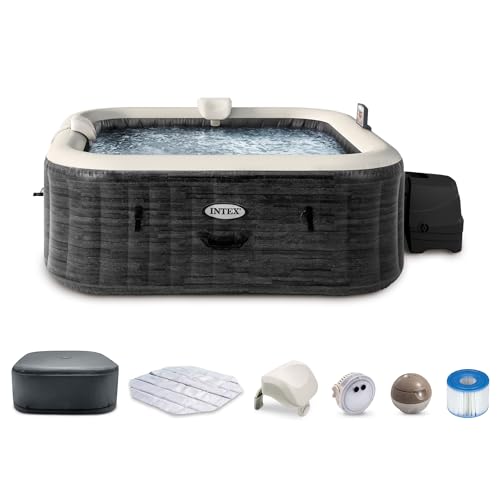
Table of Contents
- Models in this comparison
- Quick Verdict
- About Outdoor Hot Tubs
- About Sauna Heaters
- Head-to-Head: Installation and Infrastructure
- Head-to-Head: Heat-Up Time and Experience
- Who Should Choose Outdoor Hot Tubs?
- Who Should Choose Sauna Heaters?
- Our Verdict
- Frequently Asked Questions
- Sources & References
Models in this comparison
Affiliate disclosure: if you buy through these links, we may earn a commission at no extra cost to you.


Quick Verdict
Choose Outdoor Hot Tubs if...
- You want a complete, plug-and-play relaxation solution.
- You prefer water immersion and social, group-based soaking.
- You want a setup that requires minimal structural construction.
Choose Sauna Heaters if...
- You are building a dedicated sauna structure (barrel, cabin, or cabin-style).
- You desire the traditional Finnish experience of steam (löyly).
- You want a high-heat, dry-heat environment for therapeutic wellness.
| Factor | Outdoor Hot Tubs | Sauna Heaters |
|---|---|---|
| Relative Cost (Component vs System) | Complete system cost (Unit + chemicals/setup) | Component cost (Requires separate sauna structure) |
| Best For | Social immersion and water-based relaxation | Intense heat, steam, and traditional wellness |
| Setup Difficulty | Low to Moderate (Placement and water balancing) | High (Requires electrical or chimney installation) |
| Reliability | Dependent on pump/filter maintenance | Dependent on sizing and fuel/power source |
| Key Advantage | ||
| Main Drawback |
About Outdoor Hot Tubs
Outdoor hot tubs represent a complete wellness solution. They are designed to be placed on a stable surface and filled with water, providing an immediate environment for relaxation. Whether you opt for an inflatable model for ease of use or a hard-sided spa for longevity, the focus is on buoyancy, water temperature, and massage features. They are excellent for social settings where multiple people can soak together in a controlled, liquid environment.
In cold climates, the durability of the tub's shell and the efficiency of its heating element are paramount. While they offer immediate gratification, they require consistent management of water chemistry and filtration to remain hygienic. They are a "system-in-a-box" approach to outdoor living, making them an easier entry point for those without a construction crew on standby.
About Sauna Heaters
A sauna heater is the "engine" of a sauna. It is not a standalone product but the heart of a thermal environment. Whether you choose an electric heater or a wood-burning stove, the heater's primary job is to heat volcanic stones to enable the practice of löyly—the generation of steam. Because the heater determines the heat-up time, steam quality, and running costs, it is the most critical decision in the sauna-building process.
Choosing a heater requires careful calculation of the sauna's volume. For well-insulated saunas, a general rule is to select approximately 1 kW per 45-50 cubic feet. For outdoor or glass-walled saunas, it is recommended to add 20% extra capacity to account for heat loss. Because the heater is a component, your investment must also account for the cost of the wooden structure, insulation, and professional installation.
Head-to-Head: Installation and Infrastructure
The infrastructure requirements for these two choices are vastly different. An outdoor hot tub is largely a matter of placement, water access, and potentially a dedicated electrical circuit for the pump. It is a self-contained ecosystem. If you are choosing an inflatable model, the setup is minimal; if you are choosing a hard-sided spa, you must ensure a level base and proper drainage.
In contrast, a sauna heater requires significant infrastructure. Electric heaters require a dedicated 240V circuit installed by a licensed electrician, with installation costs typically ranging between $500 and $2,500. Wood-burning stoves, while eliminating the need for electricity, require chimney-related work, hearths, and permits, with installation costs ranging from $2,000 to $5,000. You are not just buying a heater; you are initiating a construction project.
Head-to-Head: Heat-Up Time and Experience
The user experience differs in both medium and timing. A hot tub provides a consistent, liquid-based warmth that is often immediate once the water is heated. It is about the physical sensation of buoyancy and the warmth of the water against the skin. It is a passive, soaking experience that is easy to maintain for hours at a time.
A sauna heater provides an active, atmospheric heat. For wood-burning enthusiasts, heat-up times typically range from 45 to 60+ minutes. The experience is defined by the intensity of the air and the ability to manipulate steam. Unlike the hot tub, the heater's performance is tied to the room's volume; an under-sized heater will work too hard and fail prematurely, while an over-sized heater will cycle inefficiently. The heater is the variable that determines if your sauna is a sanctuary or a struggle.
Who Should Choose Outdoor Hot Tubs?
Choose an outdoor hot tub if you want an immediate, complete solution for relaxation. It is the ideal choice for those who prioritize social soaking, water-based massage, and a setup that does not require building a wooden structure from scratch. It is perfect for backyard enthusiasts who want a "plug-and-play" luxury experience.
Who Should Choose Sauna Heaters?
Choose a sauna heater if you are committed to building a dedicated sauna environment. This is for the traditionalist who wants the ritual of wood-burning or the convenience of electric-controlled heat. If you value the ability to control steam and want a high-heat, dry-heat therapeutic experience, the heater is your primary investment.
Our Verdict
If you want a complete relaxation system today, buy an outdoor hot tub. It is a complete product that solves your problem immediately. However, if you are looking to build a long-term wellness legacy, invest in a sauna heater and a high-quality wooden structure. While the heater requires more work, higher installation costs, and careful sizing, it offers a deeper, more authentic thermal experience that a hot tub simply cannot replicate. For the serious wellness builder, the heater is the superior long-term investment in health.
Frequently Asked Questions
Do I need an electrician for an electric sauna heater?
Yes. Every electric heater requires a dedicated 240V circuit installed by a licensed electrician. Depending on your distance from the panel, budget between $500 and $2,500 for this installation.
Can I use a wood-burning heater off-grid?
Yes. Wood-burning stoves are the only viable option for off-grid and remote sites because they do not require electricity to operate.
How do I size a sauna heater correctly?
A general rule for well-insulated saunas is to select approximately 1 kW per 45-50 cubic feet. For outdoor saunas or those with glass walls, add 20% extra capacity to account for heat loss.
What is the main difference in heat quality?
A hot tub provides heat through water immersion, whereas a sauna heater provides heat through heated stones, allowing for the generation of steam (löyly) and intense, dry-heat air circulation.


