

How to Choose the Right Sauna Heaters
⚡ Quick Answer
The heater is the heart of your sauna. Get it wrong, and you're left with a beautiful wooden structure that never quite reaches a comfortable temperature—or worse, one that takes 90 minutes to warm up when you have 45 minutes to relax. I've seen too many people invest in a barrel sauna or outdoor sauna only to discover their heater choice was the wrong one for their climate, their lifestyle, and their space. The difference between a thoughtfully chosen heater and a mediocre one isn't subtle. It's the difference between stepping into genuine Scandinavian warmth and standing in a slowly warming box.
Table of Contents
Choosing a sauna heater requires understanding heat output (measured in kilowatts), heat-up time, fuel type, insulation compatibility, and whether your climate demands year-round durability. In my two decades working with outdoor wellness spaces across Nordic and North American climates, I've learned that the "best" heater isn't always the most expensive—it's the one matched to your specific needs, your budget, and your commitment to maintenance.
Our Top Picks in Detail
Affiliate disclosure: if you buy through these links, we may earn a commission at no extra cost to you.

DYNAMIC SAUNAS Andora 2-Person Low EMF FAR Infrared Sauna with Red Light Therapy & Bluetooth Speakers | Personal Indoor Dry Heat Sauna for Home & Gym – Made from Canadian Hemlock
$1999.99Check Price →This is the pick to look at first if you want a reliable, well-rounded option that handles everyday use without unnecessary compromises. DYNAMIC SAUNAS Andora 2-Person Low EMF FAR Infrared Sauna with Red Light Therapy & Bluetooth Speakers | Personal Indoor Dry Heat Sauna for Home & Gym – Made from Canadian Hemlock delivers solid performance across the features that matter most in this category.

DYNAMIC SAUNAS Barcelona 1- to 2-Person Low EMF FAR Infrared Sauna with Red Light Therapy & Bluetooth Speakers | Personal Indoor Dry Heat Sauna for Home & Gym – Made from Canadian Hemlock
$1599.99Check Price →If the top pick doesn't quite fit your situation, DYNAMIC SAUNAS Barcelona 1- to 2-Person Low EMF FAR Infrared Sauna with Red Light Therapy & Bluetooth Speakers | Personal Indoor Dry Heat Sauna for Home & Gym – Made from Canadian Hemlock is worth a close look as a capable alternative that still covers the essentials well.
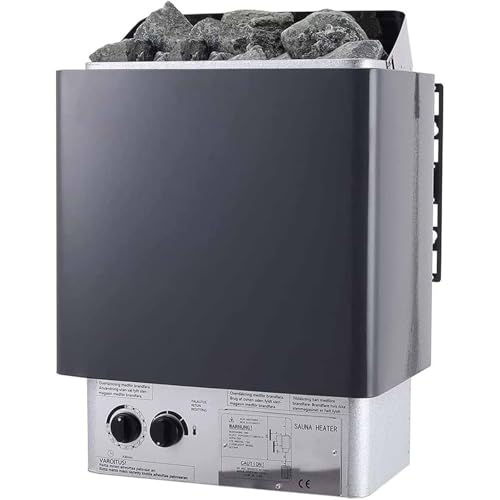
LYAYYDS Electric Sauna Stove, Steam Bath Sauna Heater 3h Timer and Adjustable Temp,Sauna Heater,for Home Hotel Spa Steam Room,46.8x33x19.8 cm 6KW
$348.12Check Price →For buyers who want the most for their money without sacrificing the features that actually matter, LYAYYDS Electric Sauna Stove, Steam Bath Sauna Heater 3h Timer and Adjustable Temp,Sauna Heater,for Home Hotel Spa Steam Room,46.8x33x19.8 cm 6KW is the practical choice at this price point.
Wood-Fired vs. Electric Heaters: Core Differences
Let me be direct: wood-fired and electric heaters belong to two entirely different philosophies of sauna heating. A wood-fired heater is a commitment. You're choosing ritual, smoke, the smell of birch logs, and a heating process that requires presence and attention. An electric heater is convenience. You flip a switch, wait quietly, and the heating is consistent and predictable. Neither is inherently superior—but your lifestyle determines which makes sense for you.
Wood-fired heaters, traditionally stove-style or barrel-mounted designs, heat the sauna through direct combustion and radiant heat. A 20 kW wood stove in a well-insulated barrel sauna will reach 80°C (176°F) in about 30–45 minutes, depending on outdoor temperature and wood quality. The mass of the stove itself becomes a heat battery—it holds warmth even after the fire burns down, extending your session comfort. Electric heaters operate via heating elements; they're typically 3–9 kW in residential settings and reach temperature more gradually but more uniformly. A 6 kW electric heater in the same barrel sauna might take 50–60 minutes.
Consider also that wood-fired heaters require a chimney, clearance from combustible materials, and compliance with local building codes. They're less common in urban areas but are the traditional choice in Scandinavian forests precisely because they work reliably in harsh, isolated conditions. Electric heaters need a heavy-duty circuit (often 240V in North America), but installation is simpler and they integrate seamlessly into modern homes.
Understanding Heat Output and Room Size
Heat output—measured in kilowatts (kW)—is often misunderstood. A 20 kW heater is not "twice as hot" as a 10 kW heater; it reaches the target temperature faster and maintains it more easily in larger or poorly insulated spaces. The rule of thumb I use with clients is: you need roughly 1 kW per 2–3 cubic meters of sauna volume, assuming good insulation (R-value of at least 2.5 in walls and ceiling).
A typical barrel sauna—say, 2.4 meters long and 2.1 meters in diameter—occupies roughly 9.5 cubic meters of volume. That demands a heater in the 4–6 kW range if it's well-insulated cedar, or 7–9 kW if it's less insulated hemlock or if you're in a cold climate where external temperatures drop below –15°C. Underestimate your heater, and you'll reach only 70°C on cold days when you want 85°C. Overestimate, and you're paying for energy you don't need and creating uncomfortable heat spikes.
I've seen many people choose a 3 kW electric heater for a 12-cubic-meter space because it was affordable, then become frustrated when reaching temperature takes over 90 minutes or the heater can't maintain 80°C once the door opens. Wood-fired heaters are less susceptible to this problem because the thermal mass of the stove compensates for undersizing, but electric heaters are unforgiving. If you're torn between two sizes, choose the larger one.
Heat-Up Time and Temperature Stability
Heat-up time matters more than most people acknowledge, especially in outdoor saunas where you're exposed to wind and temperature loss. A 45-minute heat-up is pleasant if it's part of your ritual; a 90-minute heat-up becomes frustrating. In Nordic saunas, we often view the heating period as part of the experience—time to prepare the space, set out towels, cool drinks, sauna accessories like thermometers and hygrometers—but this only works if the timeline is predictable.
Wood-fired heaters, when properly fired with dry, seasoned birch or oak logs (never green wood), reach operating temperature quickly and maintain it through thermal mass. A stainless steel wood stove retains heat longer than a thin iron model, and thicker walls mean better insulation and more consistent temperature throughout the session. Electric heaters reach a steady state more gradually but offer superior stability—once at temperature, they maintain it precisely through thermostat control. In outdoor settings where ambient temperatures fluctuate, this consistency is valuable.
Temperature stability also depends on sauna design. A small bench sauna with poor ventilation will have hot spots near the heater and cool zones elsewhere. A larger barrel sauna with proper air circulation and well-placed rocks (on wood-fired heaters) or heating elements distributes warmth more evenly. If you're installing an electric heater, insist on one with a reliable thermostat; cheap models overshoot temperature, then undershoot, creating an uncomfortable cycling effect.
Durability in Cold Climates and Weather Resistance
I live and work in places where winter means five months of –10°C to –25°C. An outdoor heater faces thermal cycling, moisture, and freeze-thaw stress that indoor heaters never encounter. This is where material choice becomes uncompromising. A steel or cast iron wood-fired heater corrodes if not properly sealed and maintained. Stainless steel resists corrosion far better but costs significantly more. For year-round outdoor use in cold climates, stainless steel is worth the premium—I've seen standard steel heaters rust through in seven years; stainless steel heaters still function perfectly after 15.
Electric heaters face different challenges. Exposed wiring and connections must be rated for outdoor conditions (UL or CSA rated for wet locations). Heating elements must be protected from humidity; a poorly sealed electric heater in a steamy sauna will develop corrosion inside the element housing. The thermostat must be weatherproof. Many budget electric heaters are designed for indoor use and fail spectacularly when installed in a damp, temperature-swinging outdoor environment.
Barrel sauna walls themselves—whether cedar or hemlock—undergo tremendous stress in cold climates. Cedar is naturally rot-resistant and weathers more gracefully; hemlock requires more aggressive sealing and will develop weathering cracks sooner. The heater itself must not stress the barrel unnecessarily. Wood-fired stoves that create extreme internal temperatures can warp hemlock faster than cedar. An electric heater distributes heat more gently, reducing thermal stress on the barrel structure. If you're committing to year-round outdoor use in a severe climate, factor in the heater's impact on your barrel's longevity, not just your comfort.
DIY Installation vs. Pre-Built Systems
A pre-built barrel sauna arrives with a heater either factory-installed or engineered to accept a specific heater model. This takes guesswork out of sizing and compatibility. A DIY sauna build offers flexibility—you choose your heater based on your exact needs—but demands that you understand electrical codes (for electric systems) or venting requirements (for wood-fired systems). I've seen DIY installations fail because the builder chose a heater that didn't fit the sauna's interior dimensions or that required electrical service the homeowner's property couldn't provide.
If you're building a barrel sauna yourself, establish heater compatibility before you install the barrel. Verify that your chosen heater fits through the door opening and that its mounting bracket aligns with the barrel's interior. For wood-fired heaters, ensure your heater's chimney exit port matches your planned chimney system and that you can achieve proper clearances from combustible materials (typically 30 cm minimum). For electric heaters, confirm that your home's electrical panel can support the circuit load and that you can run a properly sized cable to the sauna location without voltage drop.
Pre-built systems from reputable manufacturers have solved these compatibility problems. A 4-person barrel sauna from a Nordic manufacturer will arrive with a heater sized and positioned perfectly for that volume and insulation level. You're paying for engineering certainty. A DIY build might save you $500–$1500 on the heater itself, but incorrect sizing or installation can waste hundreds more in wasted fuel or electricity, or force a costly removal and replacement after a year of poor performance.
Long-Term Maintenance and Fuel Costs
A wood-fired heater requires annual chimney inspection and creosote cleaning. Quality dry wood—birch, oak, or maple—costs $100–$300 per year
Select electric heaters if you have reliable access to power outlets and want consistent heat-up times with minimal maintenance. Choose wood-fired heaters if you prefer a traditional ambiance, can source fuel locally, and are prepared for the additional labor required to manage firewood. Look for heaters constructed with high-grade stainless steel or copper elements specifically rated for exterior use to resist rust and corrosion. Ensure the housing unit is made from powder-coated metal or treated wood capable of withstanding rain, snow, and UV exposure without degrading. Yes, high-efficiency electric units significantly reduce heat-up time while maintaining lower operating costs compared to older models. For small barrel saunas, these compact heaters provide rapid temperature recovery, ensuring you stay warm even after opening the door. Opt for a wood-fired system with an insulated firebox and a thick stone or ceramic rock bed to retain heat longer during cold snaps. Verify that the chimney draft is sufficient for your specific outdoor location to ensure complete combustion and consistent warmth throughout the season. Prioritize digital thermometers with remote displays for accurate monitoring of internal temperatures without opening the door. Additionally, ensure your chosen accessories like steam rocks are compatible with your specific heater type to prevent cracking or overheating. Assess whether you have adequate storage for firewood and the physical ability to safely load fuel into an outdoor unit. Ensure the heater includes safety features like automatic shut-off valves and proper ventilation to handle the unique demands of combining a hot tub with wood combustion. Upgrading to a high-wattage or rapid-recovery electric heater is worthwhile if you frequently use the sauna in cooler climates where quick heating is essential. This investment pays off by reducing wait times and maintaining comfortable temperatures even when ambient air drops significantly.Frequently Asked Questions
How do I choose between electric and wood-fired sauna heaters for an outdoor installation?
What is the best material for an outdoor sauna heater that ensures durability against harsh weather?
Is it worth investing in a high-efficiency electric heater for a small barrel sauna?
How do I choose a wood-fired heater that maintains optimal heat in winter conditions?
What are the key factors to consider when comparing sauna heater thermometers and accessories?
How do I determine if a wood-fired hot tub heater is suitable for my outdoor relaxation space?
Is it worth upgrading from a standard electric heater to one with faster heat-up technology?


