How to Choose the Right Outdoor Saunas

How to Choose the Right Outdoor Saunas

Choosing an outdoor sauna is one of the most meaningful decisions you'll make for your home's wellness space. I've spent years working with sauna builders across Scandinavia and North America, and I've learned that the right choice depends on understanding what you actually need—not what marketing tells you to want. The difference between a sauna that brings you peace for decades and one that becomes a frustration comes down to a few critical factors: heat-up time, wood quality, insulation performance, and real-world durability in your climate.

This guide walks you through the decisions that matter. Whether you're considering a traditional barrel sauna, a prefabricated cabin, or even building from scratch, you'll learn to evaluate the trade-offs between DIY and pre-built, electric and wood-fired, cedar and hemlock, and how to plan for year-round use in cold climates. The goal is to help you build something that works with your lifestyle, not against it.

Wood-Fired vs. Electric: The Real Trade-Offs

The choice between wood-fired and electric determines your entire sauna experience. I'll be direct: there is no objectively "better" option. There are trade-offs, and understanding them changes everything.

Wood-fired saunas heat more slowly but deliver a deeper, more complex experience. A quality wood-fired heater takes 45 to 90 minutes to reach 80°C (176°F), depending on outside temperature and stove design. In winter, you're looking closer to 90 minutes. That's not a flaw—it's part of the ritual. The air feels different: fresher, with subtle changes in humidity as wood burns. You also get infrared heat that electric elements simply don't replicate. Long-term cost is lower if you have access to firewood; fuel costs are minimal. But you need storage space, regular chimney maintenance, and patience. Weather matters: rain and snow make firing up harder, and you can't turn it on remotely for January mornings.

Electric saunas heat in 15 to 30 minutes and offer absolute convenience. You'll use your sauna more often because friction is removed—no wood to stack, no ash to clean, no waiting. Electric heaters are reliable and precise, controlled by digital thermostats. In very cold climates, electric is sometimes more efficient because you're not losing heat through a chimney. The trade-off is cost: electricity runs higher than firewood, and the heater elements degrade over time (typically 10-15 years). Some people find the electric-heated air less forgiving on the skin, though this varies with heater quality and ventilation design.

💡 Pro Tip: If you're in a cold climate and want year-round use, consider a hybrid approach: a wood-fired heater with excellent insulation for weekend sessions, plus a backup electric heater for quick weekday use. This gives you flexibility without forcing compromise.

Barrel Saunas vs. Traditional Cabin Saunas

Barrel saunas have become trendy, and for good reason: they look beautiful and they're efficient. But they're not universally better, and I want to be honest about their limitations.

A barrel sauna's cylindrical design concentrates heat beautifully and minimizes interior surface area—meaning less wood (or electricity) needed to reach temperature. A well-made barrel reaches 80°C in 30-45 minutes when wood-fired, depending on size. They're also typically pre-built, so you skip construction complexity. The downside is space: a barrel sauna seats 4-6 people comfortably, and you can't expand. The curved benches are cozy but not ideal for everyone's body mechanics. Most critically, barrel saunas in cold, wet climates need obsessive maintenance. The staves (wooden slats) expand and contract with freeze-thaw cycles, and moisture infiltration is common if you don't seal and maintain them annually. I've seen beautiful barrels deteriorate in three years due to neglect.

Traditional cabin saunas are rectangular, larger, and more durable in extreme climates. They hold heat longer because walls are thicker and flat surfaces are easier to insulate evenly. You get more flexibility in size and bench configuration. Cabin saunas also age more gracefully—if maintained, they'll perform well for 30+ years. The trade-off is upfront cost and footprint. They're heavier, require stronger foundations, and take up more space.

💡 Pro Tip: If you live in a harsh winter climate with significant freeze-thaw cycles, a traditional cabin sauna with proper insulation will outlast a barrel sauna by years. Barrels excel in milder climates or if you're meticulous about seasonal maintenance.

Wood Selection: Cedar, Hemlock, and Climate Durability

Not all sauna woods are created equal, and your climate should heavily influence your choice. I cannot stress this enough: using the wrong wood in the wrong climate is how people end up disappointed.

Cedar is the traditional choice for interior walls and benches. It's beautiful, resists rot naturally, and feels warm underfoot. Western Red Cedar is superior to Eastern Red Cedar for saunas. However—and this is crucial—cedar performs best in dry or moderately humid climates. In wet, freeze-thaw environments (think the Pacific Northwest or upper Midwest in winter), cedar can check (crack), and the grain becomes prone to moisture infiltration. Cedar is also expensive. For exterior cladding in wet climates, hemlock or spruce is often more practical: these woods are denser and handle moisture fluctuations better. The trade-off is aesthetics and longevity indoors; hemlock interiors darken over time and feel less luxurious.

My recommendation: Use cedar for interior benches and walls in all climates—the durability advantage is worth it. For exterior cladding in extreme cold or wet climates, consider hemlock or even larch (if available). For roof materials, asphalt shingles are practical, but metal roofing is superior if your budget allows: it sheds snow and ice more reliably, reducing ice dam risks and roof stress. In barrel saunas, the wood quality matters even more because the staves are exposed to both interior humidity and exterior weather. I've seen cheap barrels made with soft pine fail in five years; premium cedar barrels last 20+ years if maintained.

💡 Pro Tip: Ask any sauna builder or supplier about the source and grade of their wood. Premium, kiln-dried cedar costs more upfront but will save you thousands in repairs and replacement. Avoid "sauna kits" that don't specify wood type or source.

Insulation and Heat Retention in Cold Climates

Insulation is where most DIY builders and budget manufacturers cut corners, and it's where you'll feel the cost difference most painfully. A poorly insulated sauna stays hot for 20 minutes after you turn off the heater. A well-insulated one holds heat for an hour or more, and reaches temperature 20-30% faster.

The best insulation for saunas is fiberglass batts (typically 3.5-inch to 6-inch thickness) combined with a vapor barrier. Mineral wool is an alternative and slightly more fire-resistant, but fiberglass is standard for good reason: it's affordable and performs excellently. What matters is thickness and continuous coverage with no gaps. Many barrel saunas have 2-3 inches of insulation; premium models have 4-6 inches. The difference is dramatic: at -20°C outside temperature, a 2-inch insulated sauna cools 10 degrees in 30 minutes after firing stops, while a 6-inch insulated sauna cools only 5 degrees. Over a season, that's significant energy savings.

The vapor barrier is equally important. It prevents moisture from entering the insulation and degrading it. In barrel saunas, poor vapor barriers lead to mold and structural failure. For cabin saunas, I recommend a double-vapor-barrier approach: one on the warm side (inside) and a smart vapor barrier on the cold side (outside) that allows drying. This balances moisture management. Ventilation also affects heat retention: if your sauna has excessive air leaks around doors or vents, you'll lose warmth constantly. Quality door seals and adjustable ventilation louvers cost $100-300 but pay for themselves in efficiency.

💡 Pro Tip: Test insulation quality by checking the sauna manufacturer's specifications for R-value (thermal resistance). Aim for R-20 or higher for exterior walls in cold climates. If a supplier can't tell you the R-value, the insulation is likely substandard.

DIY vs. Pre-Built: What You Really Save (and Lose)

The DIY vs. pre-built decision isn't just about price. It's about time, skill, and risk tolerance. I've seen both paths succeed and fail spectacularly.

A pre-built barrel sauna costs $4,000-$8,000 fully installed. A traditional cabin sauna runs $8,000-$15,000+. DIY approaches can cost $2,000-$6,000 in materials, but hidden costs emerge: tools you need to buy, mistakes that require rework, and time you're investing. If you're skilled at construction and have proper tools, DIY saves 30-40% on labor. If you're learning as you go, you'll spend more and get inferior results. The critical variables are wood quality (harder to source cheaply), insulation installation (easy to do wrong), and heater choice. A budget $800 heater looks like a win until it corrodes in three years.

Pre-built saunas come with warranties, professional installation, and reliability. The heater is tested, insulation is uniform, and the manufacturer assumes liability. If something fails, you have recourse. With DIY, everything is on you. That said, the best middle ground is a DIY cabin kit: you assemble pre-cut walls and roof panels, which reduces error and keeps costs moderate ($3,000-$5,000 in materials). I've seen dozens of these work beautifully because the hard parts (wood preparation, structural engineering) are handled professionally.

My honest assessment: If you have construction experience and your climate isn't extreme, DIY works. If you're in a harsh winter climate or this is your first major build, buy pre-built. The peace of mind and durability advantage is worth the cost difference spread over the sauna's 20-30 year lifespan.

💡 Pro Tip: Consider the warranty carefully when comparing pre-built options. Some manufacturers offer 2-year warranties; others offer 10-year structural warranties. A longer warranty indicates confidence in the product and often correlates with better materials and construction.

Essential Accessories and Long-Term Maintenance

Accessories and maintenance determine whether your sauna thrives or merely survives. I see people invest thousands in the sauna itself and then neglect $200-$500 in accessories that extend its life by years.

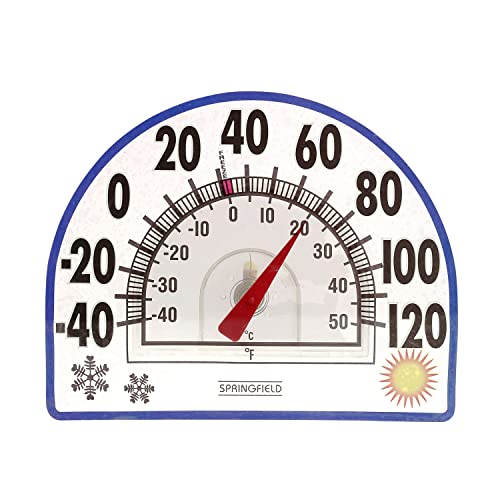
Start with a quality sauna thermometer. Digital thermostats are convenient, but analog thermometers (typically $30-$60) are more reliable over decades and don't require electricity. They're also less prone to misreading; you're not guessing at digital numbers. Sauna benches deserve attention: the highest bench needs good backrest support, and the lowest should be removable for cleaning. Cedar benches last longer than hemlock, but both benefit from annual sanding and oil treatment (use food-grade mineral oil or specialized sauna oils). Door seals, window gaskets, and vent controls are maintenance items: replace them if they crack or stop sealing properly. A cracked door seal costs $20 but wastes hundreds in heat.

Maintenance rhythm matters. After each use, open the sauna door and leave the heater off for 10-15 minutes to let moisture escape. In winter, this is non-negotiable; trapped moisture will degrade insulation and wood. Annually, inspect the exterior for cracks,

Frequently Asked Questions

How do I choose the right material for an outdoor sauna to ensure weather durability?

Select cedar, hemlock, or cypress wood because these species are naturally resistant to rot and insects. Ensure the construction includes proper insulation and a waterproof exterior finish to withstand rain, snow, and UV exposure year-round.

What is the best type of heater for a barrel sauna versus a larger hot tub setup?

For compact barrel saunas, electric heaters are often the most efficient and easiest to install. For larger outdoor hot tubs or wood-fired setups, consider high-output stone heaters that can maintain consistent temperatures in cold climates.

Is it worth investing in a wood-fired sauna for extreme winter conditions?

Yes, wood-fired saunas are excellent for deep winter use because they generate significant heat and do not require electricity. However, you must install a proper flue system and ensure the surrounding area is clear of flammable materials to meet safety codes.

How do I choose between a standalone sauna and an integrated hot tub for my outdoor space?

Choose a standalone barrel or cabin sauna if you want a traditional dry heat experience with benches. Opt for an integrated hot tub or combo unit if you prefer alternating between steamy saunas and relaxing hydrotherapy soaks after your session.

What accessories are essential for maintaining the longevity of outdoor sauna benches?

Invest in high-quality sauna thermometers to monitor internal temperature accurately and prevent overheating. Additionally, use breathable, moisture-wicking bench fabrics that can handle humidity without degrading quickly.

How do I choose the correct insulation thickness for a portable outdoor sauna?

Aim for at least 2 inches of closed-cell foam insulation to retain heat efficiently in freezing temperatures. This thickness prevents cold spots on the benches and ensures the heater does not have to work excessively hard to reach target temperatures.

Is it worth buying a pre-fabricated outdoor sauna kit versus building one from raw materials?

Pre-fabricated kits are worth it if you need a quick installation with guaranteed weatherproofing and included accessories like benches and heaters. Building from raw materials allows for custom sizing but requires significant knowledge of joinery, insulation, and electrical safety.

Last updated:

About the Author: Erik Lindstrom — Erik is a Scandinavian wellness enthusiast and contractor who has built and tested barrel saunas, outdoor hot tubs, and cold plunge systems across climates. He reviews outdoor wellness gear for durability, heat performance, and real ownership experience.