How to Choose the Right Sauna Benches
⚡ Quick Answer
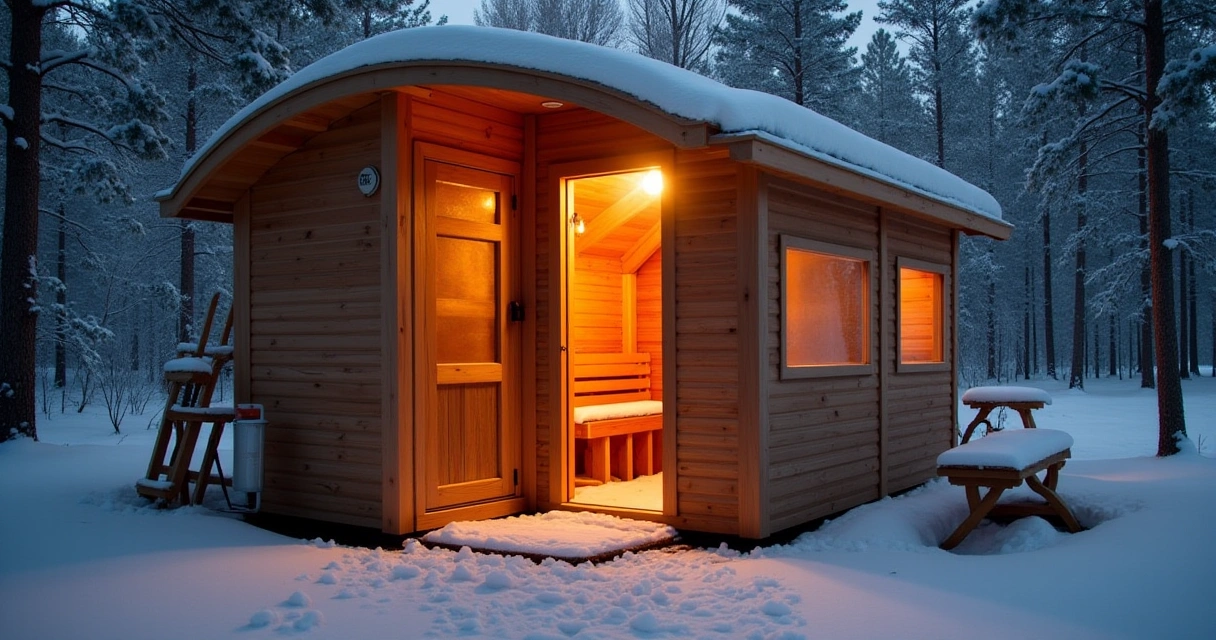
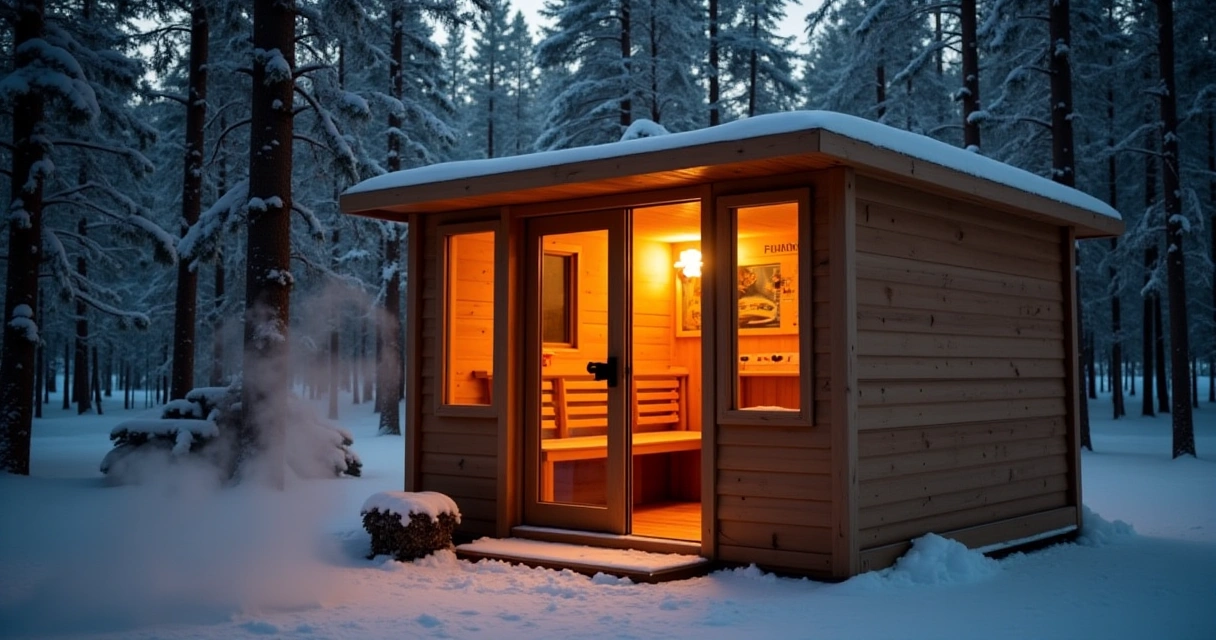
In the world of outdoor sauna design, the benches are more than just seating—they define the entire experience. Choosing the right sauna benches ensures optimal comfort, safety, and durability, especially in our cold Scandinavian climates where outdoor heat lasts year-round. Whether you're building a DIY barrel sauna or selecting a pre-made model, understanding the key factors like material, insulation, and placement can elevate your sauna experience for decades.
Table of Contents
As a wellness builder with years of experience, I’ve seen how the right benches combine practical craftsmanship with thoughtful design, ensuring long-term weather resistance and comfortable heat-up times. Let’s explore how to select the perfect benches suited to your sauna and outdoor environment.
Our Top Picks in Detail
Affiliate disclosure: if you buy through these links, we may earn a commission at no extra cost to you.

APRTAT Bamboo Dining Bench, 35 inch Farmhouse Decor Indoor Kitchen Table Bench, Entryway Shoe Rack Bench Solid Bamboo Benches for Living Room, Hallway, Bedroom, Bathroom
$68.79Check Price →This is the pick to look at first if you want a reliable, well-rounded option that handles everyday use without unnecessary compromises. APRTAT Bamboo Dining Bench, 35 inch Farmhouse Decor Indoor Kitchen Table Bench, Entryway Shoe Rack Bench Solid Bamboo Benches for Living Room, Hallway, Bedroom, Bathroom delivers solid performance across the features that matter most in this category.

Unibambou Bamboo Shower Bench Inside Shower Stool with Storage Shelf, Spa Bath Chair for Bathroom, Seat or Organizer for Living Room, Bedroom and Garden - Great for All Ages Elderly (Small, Natural)
$37.99Check Price →If the top pick doesn't quite fit your situation, Unibambou Bamboo Shower Bench Inside Shower Stool with Storage Shelf, Spa Bath Chair for Bathroom, Seat or Organizer for Living Room, Bedroom and Garden - Great for All Ages Elderly (Small, Natural) is worth a close look as a capable alternative that still covers the essentials well.
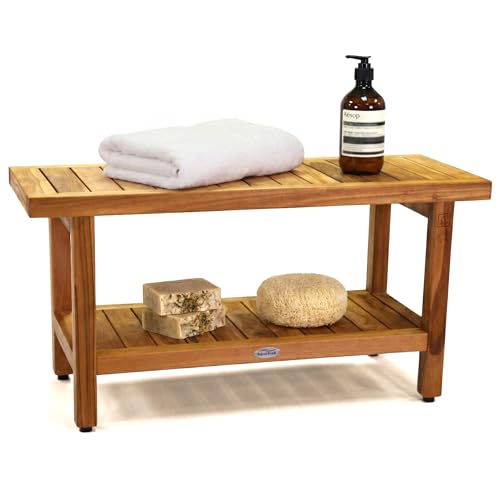
AquaTeak The Original 36" Spa Teak Shower Bench - Shower Stool with Storage Shelf for Bathroom - Durable Water Resistant Shower Chair - Shaving Foot Rest - Indoor & Outdoor Use
$241.95Check Price →For buyers who want the most for their money without sacrificing the features that actually matter, AquaTeak The Original 36" Spa Teak Shower Bench - Shower Stool with Storage Shelf for Bathroom - Durable Water Resistant Shower Chair - Shaving Foot Rest - Indoor & Outdoor Use is the practical choice at this price point.
Material Quality and Wood Type
The choice of wood for your sauna benches profoundly affects heat retention, comfort, and longevity. Traditionally, authentic Scandinavian saunas favor cedar because of its natural resistance to moisture and decay, along with its pleasant aroma. Cedar species like Western Red Cedar or Nordic cedars are excellent choices for outdoor setups; they handle moisture swings and temperature fluctuations well.
Hemlock, on the other hand, is a denser, more affordable alternative that can serve well indoors or in covered outdoor structures. It’s less aromatic but durable if properly treated and maintained. When selecting wood, opt for kiln-dried, rot-resistant types with smooth finish to prevent splinters and ensure long-lasting comfort.
Size, Layout, and Comfort
The dimensions of your sauna benches drastically influence the comfort level and the sauna’s heat-up dynamics. Wider benches (around 18-24 inches deep) provide space for relaxing without feeling cramped. For outdoor saunas, consider tiered layouts—higher benches for hotter sessions and lower benches for cooling down.
Allow for sufficient space between benches and the sauna walls to facilitate airflow and cleaning. A typical sauna bench height ranges from 16 to 20 inches off the floor for sitting, with taller tiers for lounging. If you plan to host multiple people, customize the length accordingly, maintaining a balance between capacity and ease of heat distribution.
Insulation and Weather Durability
Good insulation around outdoor sauna benches can significantly reduce heat-up time, making your sauna more efficient. Insulated benches, especially those with thermal barriers, maintain warmth longer and are better suited for winter use.
Weather durability is crucial in outdoor settings. Treated or naturally rot-resistant woods like cedar withstand moisture, snow, and temperature swings. Applying a high-quality, outdoor-rated sealant or protective coating can extend the life of your benches, particularly in harsh climates.
DIY vs. Pre-built Sauna Benches
Building your own benches offers the advantage of customization—tailoring size, material, and design to match your outdoor sauna perfectly. However, it demands carpentry skills, proper tools, and attention to weatherproofing details. A DIY project allows you to select premium materials like cedar and incorporate insulation for efficiency.
Pre-built benches, on the other hand, save time and often come with warranties and professional craftsmanship. Many suppliers offer modular, weatherproof options made from cedar or hemlock designed specifically for outdoor use. They are easy to install and typically require minimal finishing or maintenance.
Electric vs. Wood-Fired Sauna Benches
The type of heater influences bench material choices and placement. Electric saunas generally warm up quickly and allow for precise temperature control, meaning benches don’t need extensive insulation. Wood-fired saunas, common for traditional outdoor setups, require benches that withstand moisture and allow good airflow for proper drying after use.
In wood-fired saunas, benches made from well-sealed cedar or hemlock with gaps for ventilation are preferred. Electric sauna benches can be more streamlined and sealed for easier maintenance, but don't overlook the importance of choosing materials that resist warping and decay. The heating method impacts how heat is distributed across the benches, so plan accordingly for comfort and safety.
Cedar vs. Hemlock Benches
Cedar is the classic choice for outdoor sauna benches because of its natural oils that resist rot and insects, even in humid, cold climates. Its aromatic qualities add a calming element, enriching the sauna experience. However, cedar can be more expensive, and its softer grain may require careful finishing.
Hemlock offers a sturdy, cost-effective alternative; it’s harder and less aromatic, making it suitable for users sensitive to scents. With proper sealing and maintenance, hemock benches can last many years outdoors. They tend to be less prone to scratches and dents, which can be a consideration in high-traffic outdoor saunas.
Frequently Asked Questions
How often should sauna benches be maintained outdoors?
Ideally, inspect them at least once a year and reseal or treat the wood with outdoor-grade sealant every 2-3 years to preserve their integrity and appearance.
Can I use regular indoor wood for outdoor benches?
No, indoor woods like pine or oak are less resistant to moisture and weather. For outdoor saunas, opt for cedar or pressure-treated woods designed for exterior use.
What size should my sauna benches be for maximum comfort?
Wider benches (at least 18 inches deep) and height between 16-20 inches offer good comfort. Adjust based on your own height and seating preferences, especially if you plan to lounge or lie down.
Should I insulate my outdoor sauna benches?
Yes, insulation helps with heat retention and reduces heating time, making your sauna more energy-efficient and comfortable in winter climates.
Is cedar better than hemlock for sauna benches?
Cedar offers better weather resistance and aromatic benefits, making it generally preferable for outdoor use. Hemlock is more affordable but requires diligent maintenance to last outdoors.
Conclusion
Choosing the right sauna benches is a balance between comfort, durability, and appearance—especially in the demanding outdoor environments of Scandinavia. By considering your preferred material, insulation needs, and whether to build or buy, you ensure your sauna remains a sanctuary for many seasons to come. When in doubt, consult with local wellness builders or suppliers familiar with outdoor heat endurance, and always prioritize high-quality, weather-resistant materials.
Next step: Review your outdoor setup, pick the best material suited to your climate and budget, and design benches that maximize comfort and longevity. Your perfect outdoor sauna experience awaits.