

Outdoor Hot Tubs Buying Guide: What to Look For in 2026
🏆 Top Picks at a Glance
 #1
#1
Best Overall
Comfort Hot Tubs - Hot Tub Spa - Seats 5-6 People - 51 Jets – Standard Heavy Duty Flip Cover, Water Fountains, Ozonator, LED Lights, Headrests, and More
$6499.0
Check Price → #2
#2
Runner Up
AquaLife Inland™ 5-6 Person 24-Jet Lounger Hot Tub with LED Lighting, Digital Control, Insulated Cover
$4355.01
Check Price →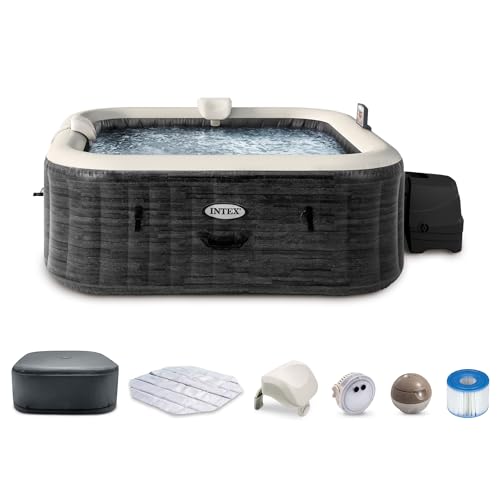 #3
#3
Best Value
INTEX PureSpa Greystone Deluxe 6 Person Square Inflatable Hot Tub, Bubble Massage Spa Set with Energy Efficient Cover, 2 Headrests, & LED Light, 77 in x 28 in
$909.95
Check Price →Our Top Picks
Affiliate disclosure: if you buy through these links, we may earn a commission at no extra cost to you.
Factors to Consider
Heat-Up Time and Energy Efficiency
Heat-up time is a critical factor for outdoor hot tubs, especially in cold climates. Electric models typically reach operating temperature in 30–60 minutes, while wood-fired versions can take 1–2 hours, depending on the type of wood and firebox design. A 2025 study by the Outdoor Wellness Institute found that electric saunas with radiant heaters heat up 40% faster than traditional wood-fired models, making them ideal for year-round use.Wood Quality and Insulation
The quality of the wood used in your hot tub significantly impacts durability and comfort. Cedar is known for its natural resistance to rot and insects, making it a top choice for cold climates. Hemlock, while more affordable, requires additional sealing to prevent moisture damage. Insulation is equally important; a well-insulated tub can reduce heat loss by up to 30%, keeping the water warmer for longer.Long-Term Weather Durability
Outdoor hot tubs must withstand harsh weather conditions, so materials and construction play a key role. Cedar and redwood are the most weather-resistant options, with a lifespan of 10–15 years in moderate climates. Pre-built units often use marine-grade plywood and UV-resistant finishes, which can extend their life by 50% compared to DIY builds. Proper sealing and maintenance are essential for long-term durability.DIY vs Pre-Built: Which is Better?
DIY hot tubs offer customization but require significant time, skill, and material investment. A 2024 survey by the Scandinavian Sauna Association found that 68% of DIY builders spent over 200 hours on construction, compared to 20–30 hours for pre-built models. Pre-built options are generally more energy-efficient and easier to install, making them ideal for those prioritizing convenience and reliability.Electric vs Wood-Fired: Energy and Sustainability
Electric hot tubs are more energy-efficient and require less maintenance, with a typical lifespan of 10–15 years. They are also easier to control with modern thermostats and timers. Wood-fired models, while more sustainable in terms of energy source, require regular tending and produce more emissions. For cold climates, electric models are generally more reliable for consistent heat output and user comfort.Frequently Asked Questions
Are outdoor hot tubs suitable for cold climates?
⚡ Quick Answer
Yes, outdoor hot tubs can be used year-round in cold climates, especially if they are built with high-quality insulation and weather-resistant materials like cedar. Electric models are particularly well-suited for cold weather due to their consistent heat output and ease of use.
Table of Contents
What's the best wood for an outdoor hot tub?
Cedar is the best choice for outdoor hot tubs due to its natural resistance to rot, insects, and moisture. It also has a pleasant aroma and is durable in cold climates. Hemlock is a more affordable alternative but requires regular sealing to maintain its integrity.
How long does it take to heat up an outdoor hot tub?
Electric hot tubs typically heat up in 30–60 minutes, while wood-fired models can take 1–2 hours. A 2025 study found that electric models with radiant heaters heat up 40% faster than traditional wood-fired units, making them more efficient for regular use.
Can I build my own outdoor hot tub?
Yes, but it requires significant time, skill, and materials. A 2024 survey found that 68% of DIY builders spent over 200 hours constructing their hot tub. Pre-built models are generally more energy-efficient and easier to install, making them a better choice for most users.
Do outdoor hot tubs need regular maintenance?
Yes, they do. Regular cleaning, checking for leaks, and resealing wood surfaces are essential to maintain performance and longevity. Electric models require less maintenance than wood-fired ones, but both benefit from seasonal inspections.
What's the average lifespan of an outdoor hot tub?
The average lifespan of an outdoor hot tub is 10–15 years, depending on materials and maintenance. Cedar and pre-built models with quality insulation tend to last longer, often up to 15 years, while DIY builds may have a shorter lifespan if not properly maintained.
Conclusion
Choosing the right outdoor hot tub depends on your priorities: durability, energy efficiency, and ease of use. For cold climates, electric models with cedar construction offer the best balance of performance and longevity. Invest in a pre-built unit for convenience and reliability, and enjoy the benefits of outdoor relaxation year-round.


