

How to Choose the Right Cedar Barrel Saunas for Outdoor Spaces
In the quiet of a Nordic winter, there is no greater comfort than the transition from biting cold to dry, enveloping heat. Choosing the right cedar barrel sauna is not merely about purchasing a leisure item; it is about investing in a structure that must withstand the brutal cycles of freeze, thaw, and humidity while maintaining its structural integrity for decades. As a builder who has spent years analyzing how wood breathes and how heat moves through timber, I have found that the right choice balances aesthetic charm with rigorous engineering standards.
Quick Answer
To choose the right cedar barrel sauna for your outdoor space, prioritize vertical grain Western Red Cedar for its natural resistance to rot and warping, and ensure the wall thickness is at least 45mm (1.75 inches) to retain heat efficiently in cold climates. Compare pre-built kits against custom builds based on your timeline and desire for specific insulation upgrades, as these factors dictate both the initial cost and the long-term energy efficiency of your wood-fired or electric heater.
Table of Contents
Our Top Picks
Affiliate disclosure: if you buy through these links, we may earn a commission at no extra cost to you.
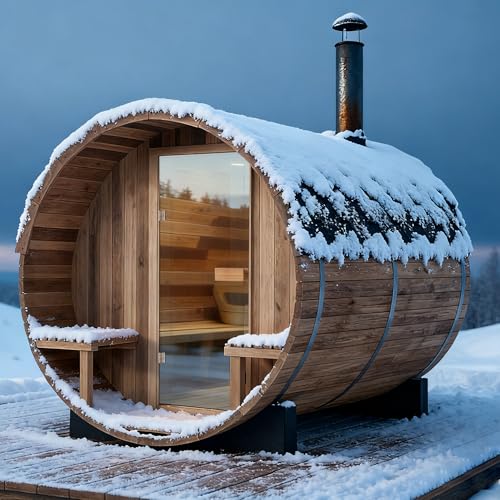


The Wood: Why Cedar Outlasts Hemlock
When selecting a barrel sauna, the species of wood is the single most critical factor determining its lifespan. While many budget-conscious buyers are tempted by hemlock or spruce due to lower upfront costs, I strongly advise against them for outdoor applications in variable climates. Western Red Cedar, particularly from the Pacific Northwest, contains natural oils and thujaplicins that act as a preservative against rot, decay, and insect damage.
The grain structure of vertical cedar is tight and straight, which minimizes the expansion and contraction issues that plague other softwoods when subjected to the high humidity inside the sauna and the freezing temperatures outside. Hemlock, while durable for indoor furniture, absorbs moisture more readily. In a barrel sauna, where the wood is constantly steaming and drying, hemlock will eventually cup and split, compromising the seal of your stave joints.
Wall Thickness and Insulation Strategies
The thickness of your sauna walls directly correlates to your heat-up time and fuel efficiency. In Scandinavia, we generally avoid anything thinner than 45mm (1.75 inches) for permanent outdoor structures. A 28mm or 36mm barrel is suitable for a summer-only cabin in a temperate climate, but if you plan to use your sauna year-round in cold weather, these thin walls will lose heat rapidly to the ambient air.
For optimal thermal mass and efficiency, aim for 54mm (2.1 inches) or thicker walls. This thickness acts as a buffer, allowing the wood to absorb heat without transferring it instantly to the outside environment. If you are building a custom sauna or modifying a kit, consider adding an interior insulation layer of mineral wool or rigid foam specifically designed for high-heat environments. This creates a thermal break, ensuring that nearly every BTU generated by your heater stays within the cabin.
Pre-Built Kits vs. Custom Construction
The decision between a pre-built kit and a custom build often comes down to precision versus personalization. Pre-built barrel saunas offer the advantage of engineered stave joints that are cut with CNC precision, ensuring a tight seal right out of the box. They are also easier to transport and assemble for the DIY enthusiast. However, they often use standard components that may not align with your specific site conditions or aesthetic preferences.
Custom construction allows you to specify the exact grade of cedar, the placement of windows for natural light, and the orientation of the door relative to prevailing winds. It also gives you control over the interior layout, such as the height of the benches or the location of the heater base. If you have a unique outdoor space with uneven ground or specific drainage needs, a custom build provides the flexibility to adapt the barrel’s footprint or add a foundation platform that fits perfectly.
Heater Selection: Wood-Fired vs. Electric
Your choice of heater defines the soul of your sauna experience. Wood-fired heaters are the traditional Scandinavian method, offering a dry, penetrating heat that many find superior for muscle relaxation. They require a chimney and a fireproof base, but they provide an ambiance that electric units cannot replicate. The trade-off is the labor: you must source seasoned hardwood (like birch or oak), manage the fire, and clean the ash.
Electric heaters offer convenience and precise temperature control via digital thermostats. They are easier to install as they do not require a chimney, though they still need a dedicated electrical circuit. However, electric heat can feel "harsher" and drier if not paired with the right stones. For outdoor saunas in freezing climates, wood-fired heaters often win on efficiency because you can build a large fire to warm the thermal mass of the room quickly, whereas electric units may struggle to maintain temperature during extreme cold snaps without high wattage.
Essential Accessories for Year-Round Use
A sauna is only as good as its supporting gear. For outdoor use, the quality of your benches is paramount. Cedar or spruce benches should be smooth-sanded but not varnished; varnish can blister and peel under high heat. Ensure the bench height allows for a gradient of heat—sitting lower provides milder warmth, while the top offers intense heat.
Don't overlook the exterior maintenance gear. A high-quality wood oil or sealant designed for outdoor cedar will protect the barrel from UV damage and rain, extending its life by years. Additionally, invest in a sturdy sauna bucket and ladle made of wood or stainless steel; plastic can melt or release toxins near the heater. For cold-weather users, a pair of insulated sauna boots is essential for walking on frozen stone paths to and from the sauna.
Frequently Asked Questions
How long does it take to heat a barrel sauna?
A 45mm+ Western Red Cedar barrel sauna typically takes 45-60 minutes to reach 170°F (77°C) with a properly sized wood-fired heater. Electric units may heat slightly faster depending on wattage, but the walls will take longer to absorb that thermal mass.
Can I use a barrel sauna in winter?
Yes, barrel saunas are excellent for winter use. The cylindrical shape sheds snow and wind effectively. Ensure you have a solid foundation (gravel pad or concrete piers) to prevent the wood from touching wet ground, which causes rot.
Does cedar need to be sealed?
Exterior cedar should be treated with a UV-inhibiting oil to prevent graying from sun exposure. Interior cedar should never be sealed or varnished, as the fumes can be toxic when heated and it traps moisture in the wood.
What is the difference between vertical and horizontal stave installation?
Vertical staves (standing up) are traditional for barrels and allow for easier expansion and contraction. Horizontal staves are sometimes used in custom builds for a different aesthetic but require more complex joinery to maintain structural integrity.
🛒 Relevant Products for This Topic
Affiliate disclosure: if you buy through these links, we may earn a commission at no extra cost to you.
Benovo Customize 2-8 Outdoor Barrel Sauna Room,HARVIA 6KW Electric Stove or...
$2799.99
View Product Details →INFRADELUX Premium 4 Person Cedar Barrel Sauna for Outdoor Backyard
$4150.0
View Product Details →
ZONEMEL Wooden Steam Sauna Room with Panoramic View, Canadian Red Cedar...
$8299.99
View Product Details →

