

How to Choose the Right Barrelsoakguide Setup in 2026
A barrel sauna isn't just a purchase—it's an investment in how you'll spend your winters. Whether you're in Minnesota, Norway, or anywhere else where the outdoor season extends beyond summer, the right setup transforms those cold months into something deeply restorative. I've spent the last 15 years building and advising on barrel saunas across Scandinavia and North America, and I can tell you: the decision between pre-built and DIY, wood-fired and electric, comes down to one honest question: What role will this play in your life, and for how long?
This guide cuts through the marketing noise. We'll compare real trade-offs—heat-up times, wood quality, durability through freeze-thaw cycles, and the long-term costs that matter. By the end, you'll know exactly which direction makes sense for your climate, your space, and your lifestyle.
Table of Contents
- Our Top Picks
- Pre-Built vs. DIY: The Honest Comparison
- Wood-Fired vs. Electric: Performance and Practicality
- Materials Matter: Cedar, Hemlock, and Durability
- Heat-Up Times and Real-World Usage Patterns
- Insulation, Weather Durability, and Year-Round Use
- Essential Accessories and Long-Term Maintenance
- Frequently Asked Questions
Our Top Picks
Affiliate disclosure: if you buy through these links, we may earn a commission at no extra cost to you.

Pre-Built vs. DIY: The Honest Comparison
Let me be direct: if you want a barrel sauna this winter, buy pre-built. If you have two years and genuine carpentry skills, DIY becomes interesting. The gap between these two paths is wider than most people assume.
A quality pre-built barrel sauna arrives with the staves kiln-dried to specification, the bands precisely tensioned, and the seams sealed by someone who's done this hundreds of times. When you unpack it, the wood is already acclimated to outdoor conditions—crucial for avoiding warping and gaps that let heat escape. The typical heat loss through poorly sealed staves in a amateur build is 15-20%, which translates to 30-45 minutes of extra heating time per session. Over a winter, that's real wood waste and real frustration.
DIY works if your goal is learning, tinkering, and you have access to kiln-dried hemlock or cedar staves, quality steel banding, and the tools to cut, fit, and seal everything properly. The cost savings are often smaller than people think—high-quality materials for a 6x8 barrel still run $2,500-3,500, and you're adding labor and potential rebuilds. The emotional reward, though, is genuine.
Wood-Fired vs. Electric: Performance and Practicality
This choice depends on your honesty about three things: (1) How often will you actually use it? (2) Do you live somewhere you can legally burn wood? (3) How much do you value ritual versus convenience?
Wood-fired saunas take 45-90 minutes to reach proper temperature (175-195°C / 350-385°F), depending on your heater size, wood quality, and external temperature. In a -10°C Finnish winter, you're looking at the longer end of that range. The tradeoff: the heat is superior—it's radiant and stable, and you'll notice the difference in how your body responds after 15 minutes. The wood choice matters enormously. Birch and pine heat quickly but produce ash; oak burns longer and cleaner. Softwoods like spruce are acceptable but require more frequent tending. You'll want seasoned hardwood (2-3 years dry, not the "kiln-dried" stuff sold at hardware stores, which has residual moisture). A cord of proper firewood costs $300-500 depending on region.
Electric heaters get you to 80°C in 20-30 minutes and 195°C in 45-60 minutes, depending on wattage (most residential units run 6-9 kW). The convenience is real—flip a switch, shower, return to heat. No kindling, no monitoring, no ash. But there's a hidden cost: they'll eventually fail. Most electric heaters last 8-12 years before the elements degrade. Replacement runs $1,200-2,000. Wood-fired heaters, if maintained, can last 20+ years. The monthly electric bill for regular use (2-3 sessions per week) adds roughly $40-80 to your utilities in cold months.
Materials Matter: Cedar, Hemlock, and Durability
Walk into a sauna showroom and you'll hear "western red cedar" praised like it's the only option. That's partly marketing. Cedar is genuinely rot-resistant, naturally aromatic, and beautiful—but it's expensive and softer than it appears. In a barrel sauna, cedar staves are 25-40mm thick, and they're excellent for the interior, but they're not indestructible. Hemlock and spruce are harder, denser, and cheaper. Nordic builders often prefer hemlock for the barrel structure itself, then line the interior with thinner cedar slats for that authentic scent.
What actually matters for durability isn't the wood species alone—it's the wood's moisture content when assembled, the quality of the sealing, and your climate's freeze-thaw cycles. A barrel sauna in a dry climate can survive with minimal maintenance. A barrel sauna in northern Minnesota or Swedish Lapland faces constant stress: water accumulates in seams, freezes, expands, and splits. This is why insulation and ventilation matter so much. Poor insulation means condensation builds up inside; poor ventilation means that moisture sits. Over three winters, this will degrade even premium cedar.
The real question: what's the interior facing? A high-quality pre-built barrel should have kiln-dried cedar or hemlock lining (25-30mm), with the outer structural staves being slightly thicker hemlock or spruce. Avoid anything with thin cedar veneers over cheaper softwood—you're paying for the look, not the durability. Stain or oil the exterior every two years; don't leave it unfinished. Raw wood exposed to UV and moisture degrades 40% faster than oiled wood.
Heat-Up Times and Real-World Usage Patterns
Heat-up time is where theory meets reality. Manufacturers will tell you their electric heater reaches full temperature in 30 minutes. What they don't mention: that's in lab conditions, 20°C ambient, with the door closed and no bathers. In a -15°C winter night, with wind chill, give it 60-75 minutes. With a wood-fired stove, plan 60-90 minutes minimum, and add 30 minutes if you start from a cold barrel in January.
This matters because it changes your schedule. If you come home at 6 PM wanting to sauna by 7 PM, electric wins—barely. If you're planning a weekend ritual where heating is part of the experience, wood-fired is natural. Some users I've worked with solve this by pre-heating: run the electric heater or light the fire 90 minutes before they arrive. Others prefer small wood-fired saunas (4x6 meters) that heat faster than large ones (6x8 meters), accepting the coziness as part of the charm.
Cold climate users should also consider a sauna heater that retains heat well. A thick stone layer (20-30 kg of quality sauna stones) around the heater acts as thermal mass, keeping the barrel hot even if you let the fire die slightly. This buys you an extra 10-15 minutes of usable time without re-stoking. Electric heaters can't replicate this—the heat stops the moment you turn them off.
Insulation, Weather Durability, and Year-Round Use
Here's where most people go wrong: they think insulation is optional. It's not. A non-insulated barrel sauna in a cold climate is essentially a very expensive sauna that bleeds heat and costs you time and fuel. Proper insulation means 75-100mm of foam or mineral wool between the staves and an inner liner. This slows heat loss from the interior to the exterior by roughly 40%, which translates to significantly lower fuel costs (wood or electric) and more stable interior temperatures.
In Scandinavia, the best year-round saunas use a combination: mineral wool insulation (better than foam in humid environments; less likely to degrade), an inner vapor barrier (essential—stops condensation from wicking into the wood), and adequate ventilation (fresh air inlet near the floor, exhaust outlet near the ceiling). Without this ventilation strategy, humid interior air has nowhere to escape, it cools against the cold outer staves, condenses, and soaks the wood. Over winters, this destroys even excellent cedar.
For genuine year-round use in cold climates, insulation is non-negotiable. A pre-built barrel should come with at least 75mm of insulation already installed. If it doesn't, walk away. The cost of retrofitting insulation is nearly as much as adding it during manufacture. Also invest in a quality sauna thermometer—not just an indoor one, but one that reads both interior and exterior temperature, so you understand the gradient and can adjust ventilation accordingly.
Essential Accessories and Long-Term Maintenance
The barrel itself is the foundation, but thoughtful accessories define the actual experience and protect your investment. A quality sauna thermometer (analog, mounted at head height) costs $40-80 and lets you know if you're actually reaching the temperature you think you are. Digital models are tempting but fail in the humid environment; stick with mechanical. Sauna benches matter more than people realize—uncomfortable benches mean shorter sessions and poor posture, which changes how heat distributes through your body. Choose benches made from the same wood as the barrel interior (cedar or hemlock), not oak or pine, which can splinter and absorb excessive moisture.
For wood-fired barrels, a chimney cap or spark arrestor is essential, especially if you're near vegetation or have neighbors nearby. The cost is $50-150 and it prevents chimney fires and sparks escaping. For both types, a well-fitted door seal is critical—doors without proper gaskets let heat escape and let drafts in. If your door becomes loose over time, replacement gasket kits run $25-60 and are easy to install.
Long-term maintenance: every two years, drain and dry the barrel completely (summer is ideal). Inspect the interior for any soft spots or discoloration—these indicate early rot. Oil the exterior with a high-quality wood oil (not varnish or paint, which trap moisture). Check all bands and bolts, tightening any that've loosened. If you have an electric heater, have it serviced every 3-4 years. If you have a wood-fired heater, have the chimney professionally cleaned annually before winter—creosote buildup is a legitimate fire hazard.
How much does a quality pre-built barrel sauna cost, and what's included?
A quality 4x6 meter insulated barrel with electric heater runs $4,500-6,500. A wood-fired version with a proper heater, chim
Frequently Asked Questions
How do I choose between a wood-fired and electric barrel sauna?
Wood-fired barrel saunas offer authentic ambiance and lower operating costs but require active maintenance and chimney installation, while electric models provide convenience, consistent temperature control, and easier installation. Your choice depends on whether you prioritize traditional experience and cost savings (wood-fired) or convenience and automation (electric).
Is a pre-built barrel sauna worth it compared to DIY?
Pre-built barrel saunas save significant time and eliminate assembly complications, making them ideal if you lack woodworking experience or have limited free time. DIY options are more affordable upfront but require skill, proper tools, and patience—they're best for experienced builders who want customization and cost savings.
What is the best wood material for a barrel sauna—cedar or hemlock?
Cedar is the premium choice due to its natural rot resistance, aromatic properties, and durability, though it comes at a higher price point. Hemlock is a budget-friendly alternative that still performs well but requires more maintenance and doesn't last quite as long in harsh outdoor conditions.
How do I properly maintain a barrel sauna in winter?
Keep the sauna covered during off-seasons, ensure proper drainage around the base to prevent water damage, and regularly inspect wood for cracks or rot. For wood-fired models, clean out ash and inspect the chimney, while electric models need occasional heater element checks and proper ventilation maintenance.
What size barrel sauna do I need for my family?
A standard barrel sauna accommodates 4-6 people comfortably; measure your available space and consider your typical usage group before purchasing. Larger models (6+ capacity) require more heating power and higher installation costs, so balance comfort needs with practical space and budget constraints.
Do I need special accessories for my barrel sauna setup?
Essential accessories include a quality sauna thermometer for safety, durable sauna benches for comfort, and proper ventilation covers to manage humidity and heat distribution. Additional items like harnesses, lighting, and weatherproof covers enhance functionality and extend your sauna's lifespan.
🛒 Relevant Products for This Topic
Affiliate disclosure: if you buy through these links, we may earn a commission at no extra cost to you.
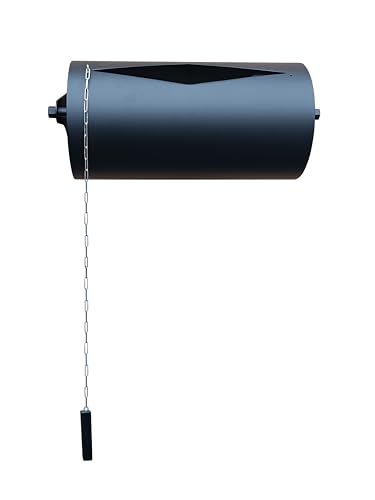
25L Stainless Steel Sauna Wall-Mounted Splash Bucket (black) – Water Pouring...
$448.0
View Product Details →15L Steel Sauna Splash Bucket – Wall-Mount Black Water Pouring Barrel with...
$425.0
View Product Details →
Foot Tub Wooden,with Lid Wooden Foot Bath Barrel,Sauna Wooden Bucket,Wood...
$121.17
View Product Details →
