

Choose Sauna Thermometer
In cold climates, a sauna that heats up quickly saves energy and maintains a consistent experience. Electric heaters typically reach target temperatures in about 30–45 minutes in well-insulated spaces, while wood-fired setups may take 45–90 minutes depending on door seal quality and chimney design. Look for walls with high-density mineral wool or foil-faced insulation and a tight tongue-and-groove assembly to minimize heat loss during long winter sessions.
Table of Contents
Our Top Picks
Affiliate disclosure: if you buy through these links, we may earn a commission at no extra cost to you.


Factors to Consider
Heat-up Time and Insulation
Wood Quality and Thermometer Housing
Exterior wood quality matters for long-term durability in moisture and freeze-thaw cycles. Cedar is renowned for natural rot resistance and low warping, while hemlock offers a more economical option that benefits from protective finishes. When selecting a thermometer, choose a model with a stainless-steel or high-temperature plastic housing rated for outdoor use to withstand steam and rain without corroding.
Thermometer Type, Accuracy and Placement
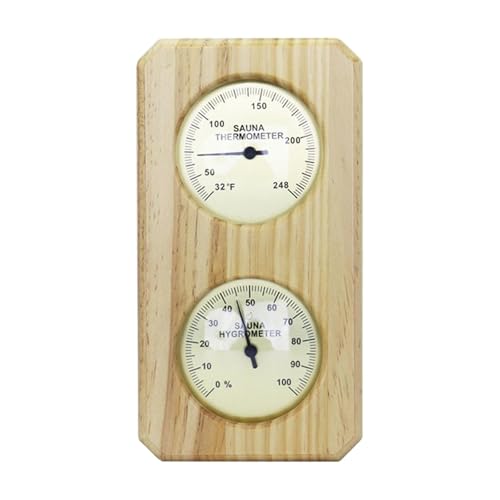
Digital thermometers tend to offer clear readings and memory features, but ensure they’re rated for high-heat environments and 100% waterproof or IP-rated for steam exposure. Analog bimetal or liquid-filled gauges are reliable but can drift over time; calibration or comparison with a reference thermometer is wise in a frequent-use setup. Place the thermometer away from direct heat vents and doors to avoid artificially inflated readings, ideally on the inner wall at chest height.
Outdoor Durability and Weatherproofing
Weatherproofing is essential for year-round use. Choose rust-resistant fasteners and stainless-steel hardware, and seal seams with marine-grade sealant or oil that’s compatible with your wood choice. Cedar’s natural oils help resist moisture, while untreated hemlock will require regular finishes; pre-built enclosures often provide proven weather seals that DIY builds should replicate with careful detailing.
DIY vs Pre-Built, Electric vs Wood-Fired, Cedar vs Hemlock
DIY builds can deliver excellent insulation and heat retention when you prioritize tight joints and proper sealant, but pre-built units often come with tested weatherproofing and factory insulation. Electric heaters offer cleaner, more reliable year-round heat in cold climates, while wood-fired units deliver traditional ambiance but require more maintenance and ventilation planning. For outdoor, year-round use in cold areas, cedar structures tend to outperform hemlock in durability, though high-quality finishes can extend the life of either wood species.
Frequently Asked Questions
What type of sauna thermometer is best for a cold outdoor climate?
Choose a digital thermometer with a high-temperature sensor and an IP-rated housing (at least IP65) to withstand steam and rain. A backlit display helps reading in low winter light, and some models include data logging for trend tracking over seasons.
How accurate are sauna thermometers, and how can I calibrate them?
Thermometers can drift slightly over time, especially under high heat and humidity. Regular checks against a reference thermometer and recalibration or replacement when drift exceeds a few degrees Celsius helps maintain reliable readings.
Should the thermometer be placed indoors or outdoors, and where exactly?
Place the thermometer on an interior wall at approximately chest height, away from direct heat sources like the heater or door drafts. This reduces skew from radiant heat and air currents and gives a stable reading during sessions.
Cedar or hemlock: which wood is better for outdoor saunas?
Cedar is naturally rot-resistant and retains shape well in damp, cold environments, making it a safer long-term choice for outdoor use. Hemlock is more affordable but benefits from protective finishes and regular maintenance to resist moisture and weathering.
How long does heat-up typically take for electric vs wood-fired saunas?
Electric heaters often reach comfortable sauna temperatures in 30–45 minutes in well-insulated spaces, while wood-fired systems may take 45–90 minutes depending on venting and door sealing. In cold climates, the right insulation can shorten both times and stabilize heat output during use.
Is a DIY installation as durable as a pre-built unit in winter conditions?
Pre-built units generally come with factory-tested weatherproofing and consistent insulation, easing long-term durability in cold weather. A well-executed DIY build can be durable if you replicate those details—tight joints, quality sealants, and proper drainage—but it requires careful planning and ongoing maintenance.
What maintenance helps extend durability of outdoor saunas in winter?
Regular sealing or oiling of the wood, clearing snow buildup from the roof, and inspecting seals every season extend life in freezing climates. Keep vents clear, ensure electrical components are rated for outdoor use, and treat or seal cedar or hemlock annually to minimize moisture infiltration.


