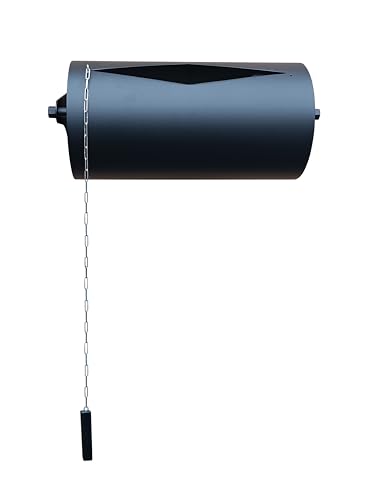
Bucket Sauna Shower Vs Waterfall Sauna Showers
In the ritual of Scandinavian wellness, the transition from the intense, dry heat of the sauna to the invigorating shock of cold water is where the true magic happens. This cycle of thermal contrast is essential for circulation, recovery, and mental clarity. As we look toward 2026, the methods for delivering this cold relief have evolved, moving from simple manual pours to sophisticated, wall-mounted installations. Choosing between a traditional bucket-style shower and a modern waterfall-effect shower is not just a matter of aesthetics; it is a decision regarding sensory experience, installation complexity, and how you interact with the elements.
This comparison is designed for the dedicated outdoor sauna enthusiast—those building year-round wellness sanctuaries in cold climates where durability and ease of use are paramount. We will examine the mechanical differences between the "Bucket Sauna Shower," which focuses on a controlled, heavy pour, and the "Waterfall Sauna Shower," which offers a more distributed, sensory-rich spray. Whether you are prioritizing a rugged, minimalist setup or a refined, spa-like installation, understanding the nuances of wood quality, stainless steel integration, and water distribution will help you select the perfect tool for your recovery ritual.
Affiliate disclosure: if you buy through these links, we may earn a commission at no extra cost to you.

Table of Contents
- Models in this comparison
- Quick Verdict
- About Bucket Sauna Shower
- About Waterfall Sauna Showers
- Head-to-Head: Water Distribution and Sensory Experience
- Head-to-Head: Design and Installation Complexity
- Head-to-Head: Material Durability and Aesthetic Integration
- Who Should Choose Bucket Sauna Shower?
- Who Should Choose Waterfall Sauna Showers?
- Our Verdict
- Frequently Asked Questions
- Sources & References
Models in this comparison
Affiliate disclosure: if you buy through these links, we may earn a commission at no extra cost to you.

Quick Verdict
Choose Bucket Sauna Shower if...
- You prefer a traditional, heavy-flow release of water via a simple pull-cord mechanism.
- You want a minimalist, space-saving wall-mounted design for tight outdoor sauna zones.
- You are looking for a rugged, natural wood aesthetic that emphasizes the ritual of a sudden, heavy pour.
Choose Waterfall Sauna Showers if...
- You desire a more distributed, sensory experience through a fine-pore stainless steel spray plate.
- You prefer a consistent "waterfall" effect rather than a single heavy bucket dump.
- You want a modern, sophisticated water distribution method for a more gentle but invigorating rinse.
| Factor | Bucket Sauna Shower | Waterfall Sauna Showers |
|---|---|---|
| Primary Experience | A sudden, heavy torrent of water for instant temperature shock. | A distributed, sensory water flow over a larger surface area. |
| Best For | Quick, invigorating cooling after intense heat sessions. | A more immersive, sensory-focused relaxation ritual. |
| Water Distribution | Concentrated release via a pull cord or tilt mechanism. | Fine-pore stainless steel spray plates for a wide-spread effect. |
| Installation Focus | Wall-mounted, space-saving designs for tight outdoor zones. | Aesthetic-driven designs often serving as a focal point. |
| Key Advantage | The "one pull" mechanism provides instant, effortless relief. | The unique, gentle distribution of water across the body. |
| Main Drawback | Localized water impact can be quite sudden and heavy. | May require more specific placement to manage water spread. |
About Bucket Sauna Shower
The bucket sauna shower is a classic, tactile solution designed for those who value the ritual of the thermal cycle. Typically installed in outdoor sauna zones or dedicated shower areas, these units serve as a vessel for instant cooling after intense heat exposure. The design often features a natural wood barrel body—crafted from materials like pine, hemlock, or red cedar—which houses a stainless steel inner liner. This liner is a critical component, as it ensures the unit remains corrosion-resistant and rust-free while protecting the wooden exterior from moisture damage.
In terms of operation, many bucket showers utilize a tilt-type design. This allows the user to release a sudden, heavy torrent of water through a simple pull-cord mechanism. This "one pull" release provides an invigorating sensory shock that helps the body transition from the sauna's heat to a refreshed state. For those looking to integrate these into a permanent outdoor setup, many models include an inlet connection at the top, allowing for automatic water filling via an external connection to ensure the bucket is always ready for the next session.
About Waterfall Sauna Showers
The waterfall sauna shower represents a more refined, sensory-focused evolution of the traditional cooling bucket. While it maintains the rugged aesthetic of a natural wood body, it focuses on the distribution of water rather than a single heavy pour. These units often feature a large stainless steel spray plate at the bottom with a surface covered in dense, fine pores. This design transforms the release of water into a wide, gentle, yet powerful "waterfall" effect that covers the body more evenly than a standard bucket pour.
This style of shower is ideal for users who prefer a consistent flow over a sudden splash. Because they often utilize a stainless steel inner liner and reinforced steel strips, they are built to withstand the rigors of year-round outdoor use in cold climates. Whether you choose a wood like thermowood for enhanced durability or a classic cedar, the waterfall effect provides a unique water distribution that can turn a simple cooling moment into a full-body immersion experience. It is an excellent choice for those seeking a sophisticated balance between the raw elements of nature and modern plumbing-ready convenience.
Head-to-Head: Water Distribution and Sensory Experience
The primary distinction between these two styles lies in how the water meets your skin. A traditional bucket sauna shower typically utilizes a tilt-type mechanism. When you pull the cord, the entire volume of water is released at once, providing a heavy, sudden torrent of cold water. This is an intense, high-impact method of thermal contrast that is designed to shock the system and provide an immediate sensory reset after a hot sauna session.
In contrast, a waterfall-style shower offers a more controlled and distributed experience. These units often feature a stainless steel spray plate with fine pores at the bottom. Instead of a single heavy pour, the water is dispersed through these pores to create a consistent, flowing waterfall effect. This allows for a more gradual transition and a unique sensory experience where the water covers more surface area of the body simultaneously, rather than a single concentrated hit.
Head-to-Head: Design and Installation Complexity
From a structural standpoint, the bucket shower is often a more straightforward, gravity-fed-focused design. Many models feature a natural wood barrel body with a stainless steel inner liner to prevent corrosion. Because they are often designed for simple wall-mounting, they serve as a compact, functional piece of hardware. The focus here is on the mechanical ease of the "pull" mechanism, making it a streamlined choice for those who want a quick, efficient cooling solution without complex plumbing integration.
The waterfall shower, while also wall-mounted, often requires a more integrated approach to water management. Because these units are designed to maintain a specific flow through a spray plate, the inlet connection at the top is crucial. Many modern designs include an inlet connection that allows for automatic water filling via an external connection. This makes the waterfall shower a more "set and forget" installation compared to the manual refilling often required for traditional tilt-style buckets, though it requires more thoughtful planning regarding your external water supply.
Head-to-Head: Material Durability and Aesthetic Integration
When considering year-round outdoor use in cold climates, wood quality is paramount. Both styles can be crafted from premium materials like thermowood, red cedar, hemlock, or pine. However, because the bucket shower relies on a physical tilting motion, the integrity of the wood joints and the steel reinforcement is under constant mechanical stress. Choosing a model with a stainless steel inner liner is highly recommended to ensure the unit remains rust-free and corrosion-resistant against the constant cycle of moisture and temperature shifts.
The waterfall shower's aesthetic often leans toward a more permanent architectural fixture. While it also benefits from the use of premium woods like cedar or hemlock to match your outdoor sauna, the focus is on the interaction between the wood body and the stainless steel components. For those building a permanent outdoor wellness zone, the waterfall style often integrates more seamlessly as a fixed element of the landscape, whereas the bucket shower is often viewed as a rugged, functional tool for the ritual of heat and cold.
Who Should Choose Bucket Sauna Shower?
The traditional bucket-style shower is designed for those who value a direct, high-impact sensory experience. This design typically features a tilt-type mechanism where a simple pull of a cord releases a sudden torrent of water. This is an ideal choice for the enthusiast who seeks an instant, invigorating shock to the system to facilitate rapid cooling after a heavy heat session.
This option is best suited for:
- The Traditionalist: Those who prefer the classic ritual of a sudden, heavy splash of water to awaken the senses.
- Space-Conscious Installations: Users looking for a streamlined, wall-mounted solution that focuses on a single, powerful function.
- Minimalist Outdoor Setups: Those who want a simple, rugged mechanism that is easy to operate with a single pull.
Who Should Choose Waterfall Sauna Showers?
The waterfall-style shower is designed for those who prefer a more distributed and nuanced water experience. These units often feature a stainless steel spray plate with fine pores at the bottom, allowing the water to flow in a consistent, curtain-like fashion rather than a single heavy pour. This provides a more enveloping sensation that covers more of the body simultaneously.
This option is best suited for:
- The Sensory Seeker: Individuals who prefer the "waterfall effect"—a more continuous and gentle distribution of water that provides a different kind of refreshment. s
- Full-Body Cooling: Those who want the water to wash over them more evenly, rather than a localized strike of water.
- Modern Aesthetic Lovers: Users looking for a sophisticated, high-end look that functions as a centerpiece for their outdoor relaxation zone.
Our Verdict
Choosing between a bucket sauna shower and a waterfall-style shower depends entirely on whether you prioritize a sudden, visceral shock or a controlled, sensory immersion. In the context of year-round outdoor living, both designs serve the vital purpose of thermal contrast, but they offer very different user experiences.
The Case for the Bucket Shower: If you seek the most invigorating, "instant-reset" experience, the tilt-type bucket shower is the superior choice. The sudden release of water via a pull cord provides a dramatic sensory shift that is perfect for those who want a quick, heavy burst of cold to snap the body out of the sauna heat. It is a functional, minimalist solution that works exceptionally well in compact outdoor sauna setups.
The Case for the Waterfall Shower: If you prefer a more meditative and luxurious ritual, the waterfall-style shower is the winner. Because these units often feature a fine-pore stainless steel spray plate, they provide a more distributed, gentle flow that mimics a natural spring. This is ideal for those who want to linger under the water to fully transition between heat and cold without the aggressive impact of a single heavy pour.
Final Recommendation: For the purist seeking a rugged, traditional Nordic ritual, go with the Bucket Shower. For the wellness enthusiast looking for a sophisticated, spa-like sensory experience, invest in the Waterfall Shower. Regardless of your choice, ensure you select a model with a stainless steel inner liner to prevent corrosion and consider premium woods like red cedar or thermowood to ensure your investment withstands the elements for years to come.
Frequently Asked Questions
Can a sauna bucket shower be used outdoors in cold climates?
Yes. When selecting an outdoor unit, look for high-quality wood such as red cedar, hemlock, or thermowood to ensure long-term weather durability. Additionally, choosing a model with a stainless steel inner liner is vital to prevent corrosion and rust caused by moisture and temperature fluctuations.
What is the difference between a tilt-type bucket and a waterfall-style shower?
A tilt-type bucket shower typically uses a pull cord mechanism to release a sudden torrent of water, providing an instant, heavy cooling sensation. A waterfall-style shower often utilizes a fine-pore stainless steel spray plate at the bottom to create a more distributed, gentle water flow across the body.
Can I use hot water in my sauna bucket shower?
While many users prefer cold water for the invigorating contrast after a sauna session, many modern designs allow for temperature flexibility. However, you should always verify the specific material compatibility of your unit—such as the wood type and liner integrity—before using hot water to ensure it does not affect the wood's seal or the metal's expansion.
How do I maintain the wood on my outdoor shower bucket?
To ensure longevity in outdoor environments, it is best to use woods like cedar or hemlock which naturally resist decay. Applying wood wax oil can help protect the natural grain and provide a barrier against the elements. Regular inspection of the stainless steel liner and the connection points is recommended to ensure the unit remains watertight and rust-free.