

Best Outdoor Saunas for Everyday Use
🏆 Top Picks at a Glance
 #1
#1
Best Overall
Outdoor Sauna Room Wooden Indoor Sauna
$3475.39
Check Price → #2
#2
Runner Up
2X Sauna Temperature & Humidity 2 in 1 Thermometer, Mechanical Thermometer and Hygrometer for Home, Room, Outdoor, Offices (No Battery Needed)
$11.99
Check Price →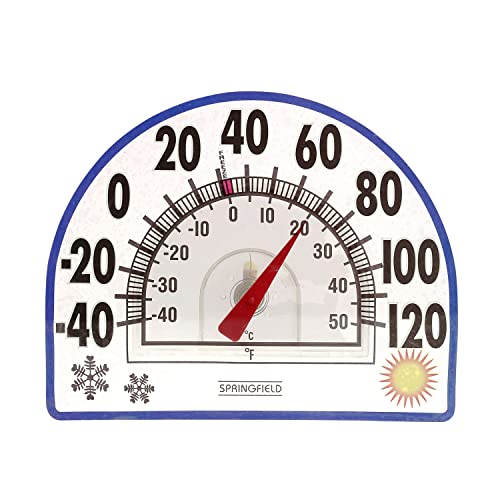 #3
#3
Best Value
Springfield Static Cling Indoor Outdoor Thermometer, Temperature Gauge for Patio, Pool, and Sauna, 8-Inch, White/Blue
$11.23
Check Price →Our Top Picks
Affiliate disclosure: if you buy through these links, we may earn a commission at no extra cost to you.
Factors to Consider
Heat-up time and heating method
⚡ Quick Answer
In cold climates, how quickly a sauna reaches temperature affects comfort and energy use. Electric heaters typically warm a compact outdoor unit to operating temperature in about 15–25 minutes. Wood-fired saunas require a longer preheat, often 30–60 minutes, plus tending the fire and chimney draft. For year-round ease, choose a well-sized electric setup; for a traditional ritual, a wood-fired design is rewarding if you can plan ahead.
Table of Contents
Wood quality: Cedar vs Hemlock
Cedar is naturally rot- and insect-resistant due to its essential oils, helping it endure damp outdoor environments and cold winters. Hemlock is durable and stable but lacks cedar’s natural oil protection, so it may need more finishes and maintenance. This difference shows in long-term durability and aroma: cedar ages gracefully with minimal warping, while hemlock can be more prone to cracking in extreme cold if not properly treated. For low-maintenance year-round use, cedar benches and walls are a practical choice.
Insulation and weather durability
Quality insulation minimizes heat loss and keeps the sauna comfortable during deep winter temperatures, reducing energy use. Look for walls with at least 2–3 inches of high-density insulation and a vapor barrier to prevent moisture buildup; premium models may use higher R-values to maintain heat. Exterior cladding should be rot-resistant and well sealed; cedar helps weather durability while providing a pleasant scent, whereas hemlock benefits from robust sealants and regular upkeep. A well-insulated, weather-tight unit maintains heat longer, enabling efficient preheating and quick returns to temperature after door openings.
DIY vs pre-built, electric vs wood-fired
DIY kits can save money and allow customization, but you must follow local codes and fire safety standards to ensure year-round usability. Pre-built barrel or outdoor saunas simplify installation, often offer better insulation for cold climates, and typically include integrated heaters, though with a higher upfront cost. Electric heaters are easier to manage for continuous winter use, while wood-fired options deliver ritual warmth but require storage for fuel and more tending. For reliable winter performance, a pre-built unit with an electric heater is a balanced choice; DIY shines when you value customization and have the time for upkeep.
Year-round use in cold climates
Outdoor saunas in cold regions rely on solid insulation, protective cladding, and proper drainage to stay usable in snow and rain. Choose models with airtight doors and weather-stripping to minimize drafts, and consider a covered or semi-enclosed footprint to shield from wind. Efficient heating and durable wood help maintain comfort through winter, and cedar’s natural durability further supports year-round use. With careful installation and ongoing maintenance, your sauna remains inviting throughout winter and into spring.
Frequently Asked Questions
How long does it take for an outdoor sauna to heat up with electric vs wood-fired?
Electric heaters typically reach operating temperature in about 15–25 minutes for a standard outdoor unit, offering consistent warmth even in windy conditions. Wood-fired saunas usually take 30–60 minutes to preheat to a comfortable sauna temperature, depending on fire size and chimney draft. If you value quick returns to heat, a high-quality electric heater is most reliable for year-round use.
Is cedar better than hemlock for outdoor saunas?
Cedar contains natural oils that resist rot and insects, making it well suited to damp outdoor environments and cold winters. Hemlock is durable but lacks cedar’s inherent rot resistance, often requiring more finishes and maintenance. For long-term durability with less maintenance in cold climates, cedar is generally the better choice for exterior panels and benches.
What insulation level should I look for in a cold climate?
Aim for at least 2–3 inches of high-density insulation with a vapor barrier to prevent moisture buildup. In colder climates, higher insulation values and careful air sealing help maintain heat and reduce energy use during long winter sessions. A well-sealed, insulated wall assembly will keep the interior comfortable with smaller heating loads.
Is DIY sauna building worth it compared to a pre-built unit?
DIY can lower upfront costs and allow customization, but it requires code compliance, proper ventilation, and fire safety planning. Pre-built saunas offer consistent construction, integrated heaters, and warranties that support year-round use in cold weather. If time and technical comfort are limited, a reputable pre-built unit is typically the safer, more reliable choice.
Can outdoor saunas be used year-round in freezing temperatures?
Yes, with solid insulation, proper weather sealing, and an efficient heater, outdoor saunas can be comfortable in freezing temperatures. Protect doors and seals from wind, ensure proper drainage, and select cedar or well-sealed hemlock with durable finishes. A winter-ready setup will maintain heat efficiently and reduce energy spikes during cold snaps.
How should I maintain cedar vs hemlock to maximize durability?
Regular inspection of seals, doors, and ventilation helps prevent moisture intrusion. Cedar generally requires minimal maintenance beyond occasional cleaning and resealing if used outdoors, thanks to its natural rot resistance; hemlock may need more frequent coatings and inspections. Annual resealing and keeping wood dry after use are key habits for longevity in outdoor environments.
Do barrel saunas offer better heat retention than other shapes?
Barrel saunas tend to minimize corners and reduce heat loss, which can improve retention, especially when paired with good insulation and a tight door. The overall performance still hinges on insulation quality, sealing, and heater type; even a barrel design benefits from solid craftsmanship and proper venting. For cold-climate use, prioritize insulation and door integrity alongside the shape.


