

Best Barrel Saunas for Everyday Use
🏆 Top Picks at a Glance
 #1
#1
Best Overall
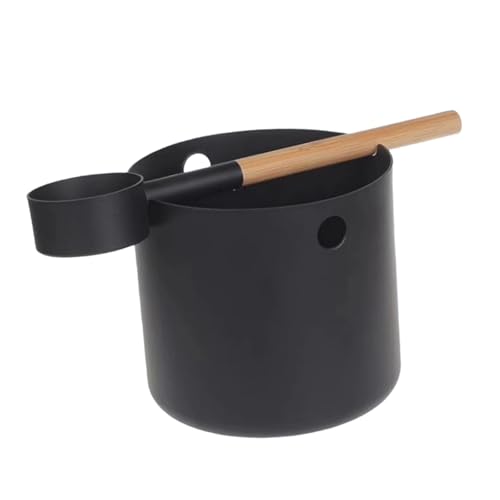
Sauna Bucket and Ladle Water Bucket 5L Lightweight Storage Container Barrel
$386.49
Check Price → #2
#2
Runner Up
Foot Tub Wooden,with Lid Wooden Foot Bath Barrel,Sauna Wooden Bucket,Wood Foot Basin Tub Bucket for Foot Bath, Spa, Sauna, Soak (Wood Color)
$135.42
Check Price → #3
#3
Best Value
GANAZONO 1 Pc Cask Rice Cask wooden rice tub Sauna Bucket wooden steamer bowl Storage Bucket sushi kit tofu chinese practical barrel stainless steel heater Multifunction
$26.79
Check Price →Our Top Picks
Affiliate disclosure: if you buy through these links, we may earn a commission at no extra cost to you.
Factors to Consider
Heat-Up Time and Heater Type
⚡ Quick Answer
Electric barrel saunas typically reach operating temperature (160–180°F) in 30–45 minutes, making them ideal for spontaneous use on busy weekdays. Wood-fired models require 45–90 minutes to heat, but many users find the ritual meditative and enjoy the superior dry heat that traditional wood combustion provides. If you live in a cold climate and plan year-round use, consider that wood-fired heaters maintain more stable temperatures during harsh winters, since they don't rely on electrical infrastructure that can be compromised by extreme weather.
Table of Contents
Wood Quality and Longevity
Western red cedar is the gold standard for barrel sauna construction—it naturally resists rot, has excellent insulation properties, and develops a beautiful silver patina over time without degrading. Hemlock is a budget-friendly alternative with decent durability, but it requires more frequent sealing and will show weathering more prominently after 5–7 years of outdoor exposure. For Scandinavian climates with freeze-thaw cycles, cedar's superior dimensional stability means fewer stress fractures in the staves, translating to a sauna that performs reliably for 15–20 years with minimal maintenance.
Insulation and Temperature Retention
Barrel saunas with 2–3 inches of quality insulation (closed-cell foam or fiber) and a well-sealed roof will retain heat far more efficiently than thin-walled models, especially in subzero temperatures where heat loss accelerates. The curved barrel design itself provides passive insulation benefits compared to square cabins, since fewer flat surfaces mean reduced convective heat loss. Pre-built models from reputable manufacturers typically feature factory-sealed seams and consistent insulation density, whereas DIY kits may have gaps that compromise thermal performance by 15–25%.
Weather Durability in Cold Climates
Look for saunas with reinforced aluminum bands (rather than stainless steel straps alone) that can accommodate wood expansion and contraction during temperature swings—this is essential in regions where winter temperatures drop below 0°F. The roof should have adequate overhang (at least 12 inches) and proper drainage to prevent ice damming and water pooling, which are the leading causes of premature wood degradation. Cedar models that have been pre-treated with exterior-grade sealant will withstand 10+ years of UV exposure and moisture cycles; untreated hemlock may require re-sealing every 2–3 years.
DIY vs. Pre-Built Trade-Offs
DIY kits cost 30–40% less than pre-built saunas but demand 20–40 hours of labor, precise assembly, and your own sourcing of a quality heater and thermometer—mistakes in stave alignment or insulation placement directly impact performance and lifespan. Pre-built saunas arrive ready to install, with factory-tested components, consistent wood quality, and manufacturer warranties (typically 2–5 years) that protect your investment against structural defects. For those new to sauna ownership or living in harsh winters, the premium for a pre-built cedar barrel sauna is justified by reliability and the peace of mind that thermal performance won't suffer from assembly errors.
Frequently Asked Questions
How long does it take a barrel sauna to heat up in winter?
In temperatures below freezing, wood-fired barrel saunas typically require 60–90 minutes to reach therapeutic heat (around 170°F), while electric models may take 45–60 minutes since they don't need to overcome the thermal mass of a heating chamber. The exact time depends on insulation quality, ambient temperature, and whether you pre-heat the stove. For winter users in Scandinavian climates, many find that preparing the sauna while you shower or change clothes makes the timing feel natural rather than frustrating.
Is cedar or hemlock better for year-round outdoor use?
Cedar is significantly superior for year-round outdoor exposure, especially in cold climates—its natural oils resist moisture penetration and it expands and contracts more uniformly during freeze-thaw cycles, reducing the risk of cracking or warping. Hemlock is budget-friendly and serviceable for moderate climates, but in regions with harsh winters and strong UV exposure, it will require protective sealing every 2–3 years and may show visible weathering within 5 years. If you plan to use your sauna year-round for a decade or more, cedar's longevity and lower maintenance costs justify the higher upfront investment.
Can you leave a barrel sauna outside in winter?
Yes, well-built barrel saunas are designed to remain outdoors year-round, including in severe winter conditions, as long as the structure has adequate roof overhang, proper drainage, and quality insulation to prevent ice buildup and internal condensation problems. Regular snow and ice removal from the roof is recommended to prevent structural stress, and ensuring the heater (whether wood or electric) is properly vented so that moisture doesn't accumulate inside the cabin. Saunas left unheated for extended winter periods should be drained of any water systems and have interior vents cracked slightly to allow air circulation and prevent mold.
What's the difference between wood-fired and electric barrel saunas?
Wood-fired saunas provide traditional dry heat with superior temperature stability in cold weather, authentic ritual value, and no dependence on electrical infrastructure—though they require more time and active tending. Electric saunas heat quickly, offer precise temperature control, and require minimal maintenance, but they depend on reliable power supply and some users find the heat less rejuvenating than wood-fired experience. In remote locations or where power outages are common, wood-fired is the safer choice; for convenience and predictability, electric wins.
How much insulation do I need for a barrel sauna in cold climates?
For reliable performance in sub-zero winters, aim for at least 2–3 inches of closed-cell foam or mineral fiber insulation in the barrel walls, plus an insulated roof cap—this combination typically maintains a 30–50°F temperature differential between inside and outside even at -20°F. Thin-walled budget models with 1 inch or less of insulation will struggle to hold temperature and waste significant fuel (wood or electricity) on heating loss. Pre-built saunas from quality manufacturers specify their insulation R-values; verify that the R-value is at least R-8 to R-12 for the walls.
Is a pre-built barrel sauna worth the extra cost?
Pre-built saunas typically cost 30–50% more than DIY kits, but they offer factory-tested assembly, consistent wood grading, integrated heater compatibility, and manufacturer warranties—valuable insurance against performance problems and structural defects. If you lack carpentry experience or time to invest 20–40 hours in assembly, the premium protects you from costly mistakes in insulation placement or stave alignment that would undermine thermal performance. For first-time sauna buyers and those in challenging climates, the reliability and warranty support of a pre-built model often deliver better long-term value.
What accessories are essential for year-round barrel sauna use?
A high-quality external thermometer (digital or analog, rated for sauna temperatures) is essential for safe monitoring, and a sturdy wooden sauna bench or tiered seating ensures comfort and proper heat distribution inside the cabin. For cold climates, additional accessories like roof snow guards, insulated entry covers, and a moisture-control vent system help prevent ice buildup and interior condensation damage. A quality sauna thermometer (ideally rated to at least 200°F) and a reliable timer or heater thermostat are non-negotiable for safety and consistent performance.
Conclusion
Choosing the right barrel sauna for year-round use in a cold climate comes down to balancing heat efficiency, wood quality, and long-term durability—prioritize cedar construction, adequate insulation (2–3 inches minimum), and a heater type that matches your lifestyle and power reliability. A pre-built model from a reputable manufacturer, while costlier upfront, delivers peace of mind through factory testing, consistent performance, and manufacturer warranties that protect your investment through harsh winters and multiple seasons of use.
Whether you choose the meditative ritual of wood-fired heat or the convenience of electric operation, commit to the sauna as a year-round wellness practice, and it will reward you with decades of reliable warmth, recovery, and the profound calm that authentic Scandinavian sauna culture provides.


